Refrigeration-Grade Label – Moisture Resistant
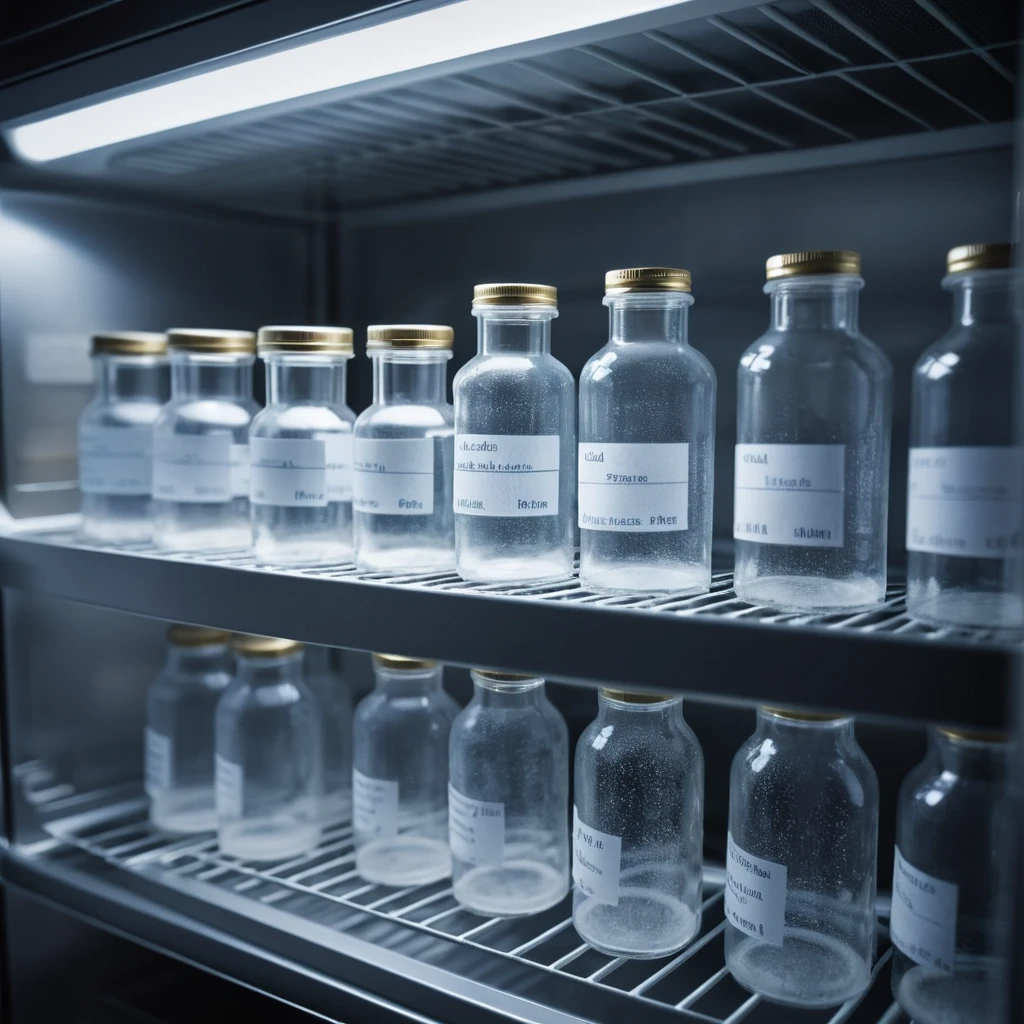
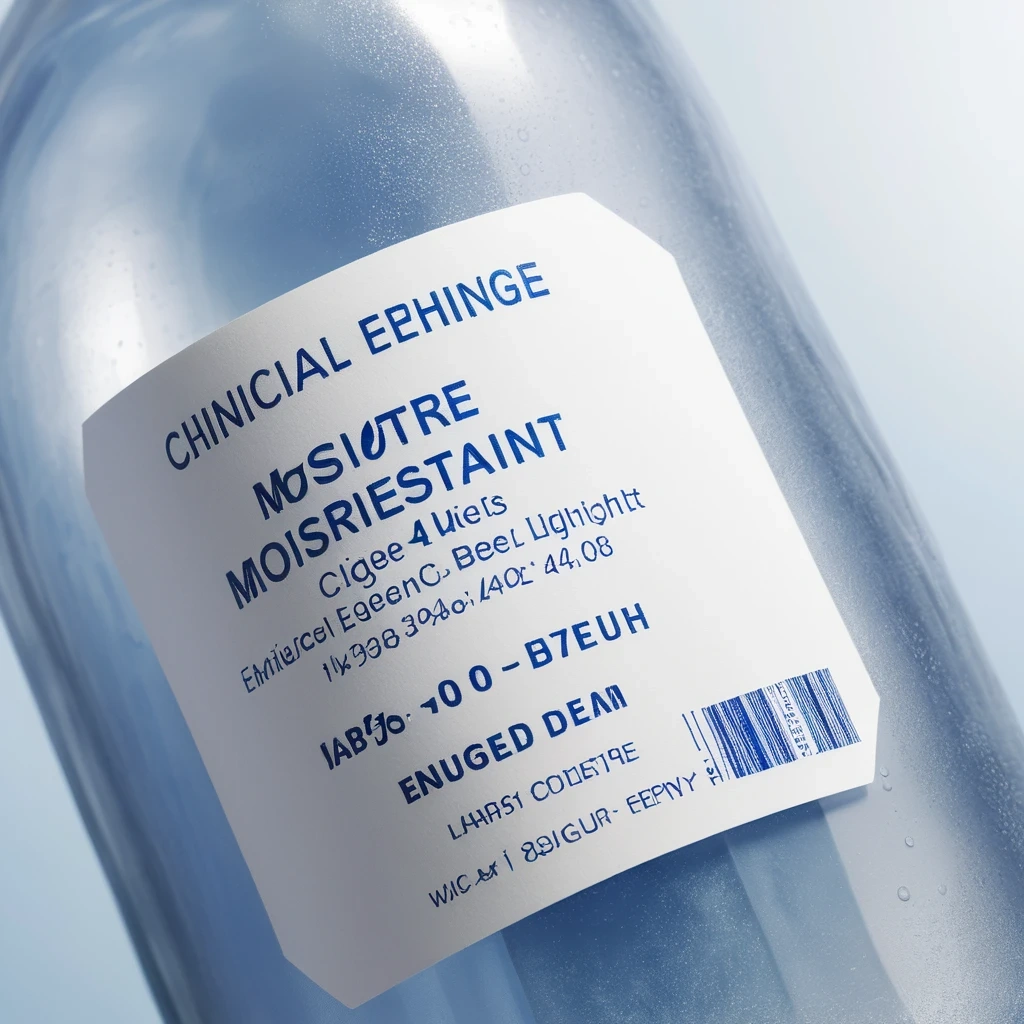
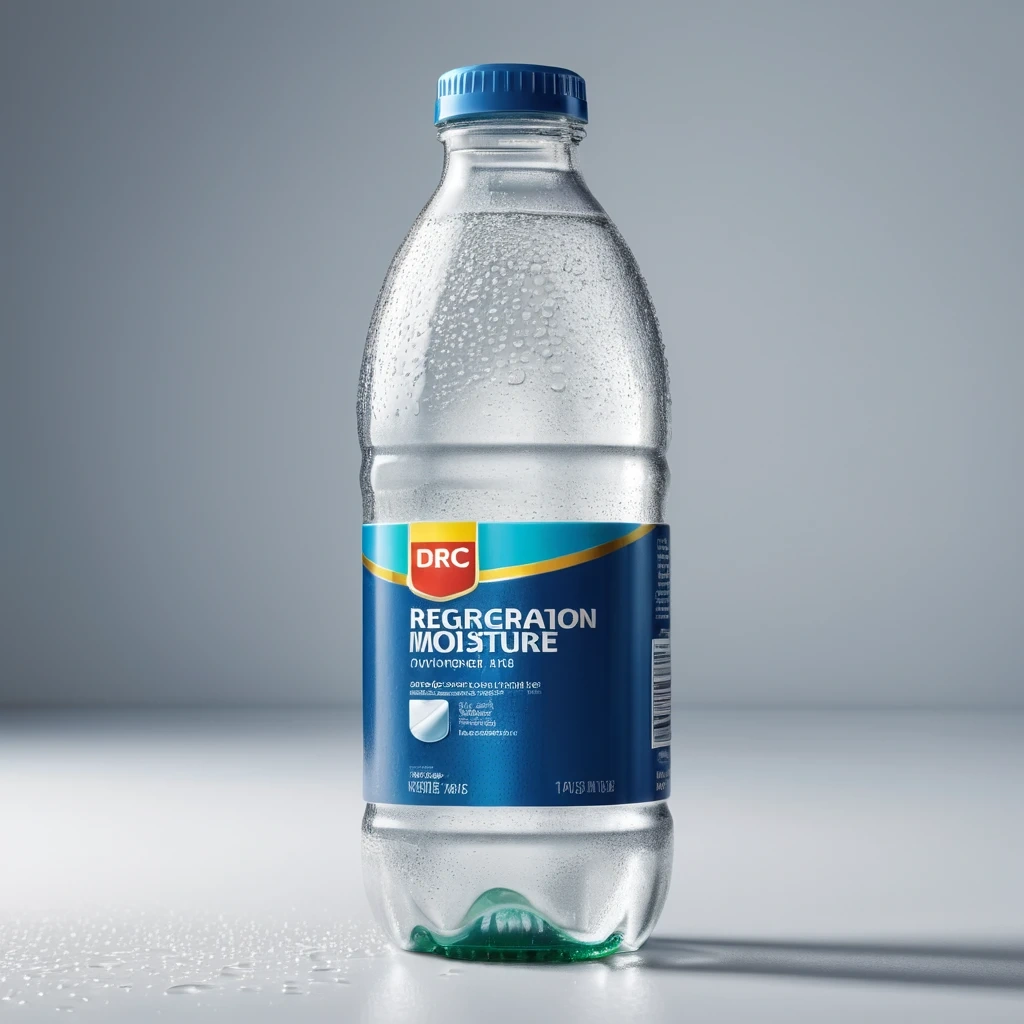
Refrigerated products constantly deal with condensation, temperature cycling, and moisture exposure that weaken conventional label materials. Paper and standard films absorb water, bubble, or lose adhesion when bottles sweat or move between storage temperatures. This results in unreadable barcodes, torn branding, or compliance risks. Anaika offers refrigeration-grade labels engineered with moisture-resistant films and adhesives designed to stay bonded and readable in cold, wet environments—ideal for pharma, food, and chemical applications.
Key Features
Moisture-resistant film prevents bubbling, peeling, or ink bleeding.
Adhesive formulated to bond securely on cold or damp substrates.
Stays intact during repeated refrigeration-to-ambient temperature cycles.
Smudge-resistant surface suitable for barcodes and regulatory text.
Wrap-around friendly film prevents edge lift on curved bottles.
Suitable for high-speed application lines and manual labeling.
Compatible with thermal transfer, digital, and flexo printing systems.
Technical Specifications
| Parameter | Details |
|---|---|
| Material | Moisture-resistant synthetic film |
| Adhesive Type | Cold-stick acrylic adhesive |
| Temperature Range | –10°C to +40°C |
| Moisture Resistance | High – condensation safe |
| Compatible Surfaces | PET, PP, HDPE, glass |
| Print Compatibility | Thermal Transfer, Digital, Flexo |
| Thickness | 50–75 microns |
| Shelf Life | 12–18 months |
Applications
Refrigerated pharma bottles and vials
Food and beverage cold-chain packaging
Diagnostic sample storage at low temperatures
Chemical reagents stored in cool rooms
Moisture-prone environments like chillers and display refrigerators
Barcoded items requiring long-term label adhesion
Why Choose Anaika?
Adhesives and films tested for real-world refrigeration performance.
Labels remain readable and bonded even on sweating containers.
Custom shapes for vials, bottles, jars, and flat-surface containers.
High print clarity for dense data, barcodes, and regulatory text.
Material options selected to prevent edge lift and ink smearing.
Technical guidance for selecting the right material based on temperature and product surface.