
Auto-Lock Bottom (ALB) Carton
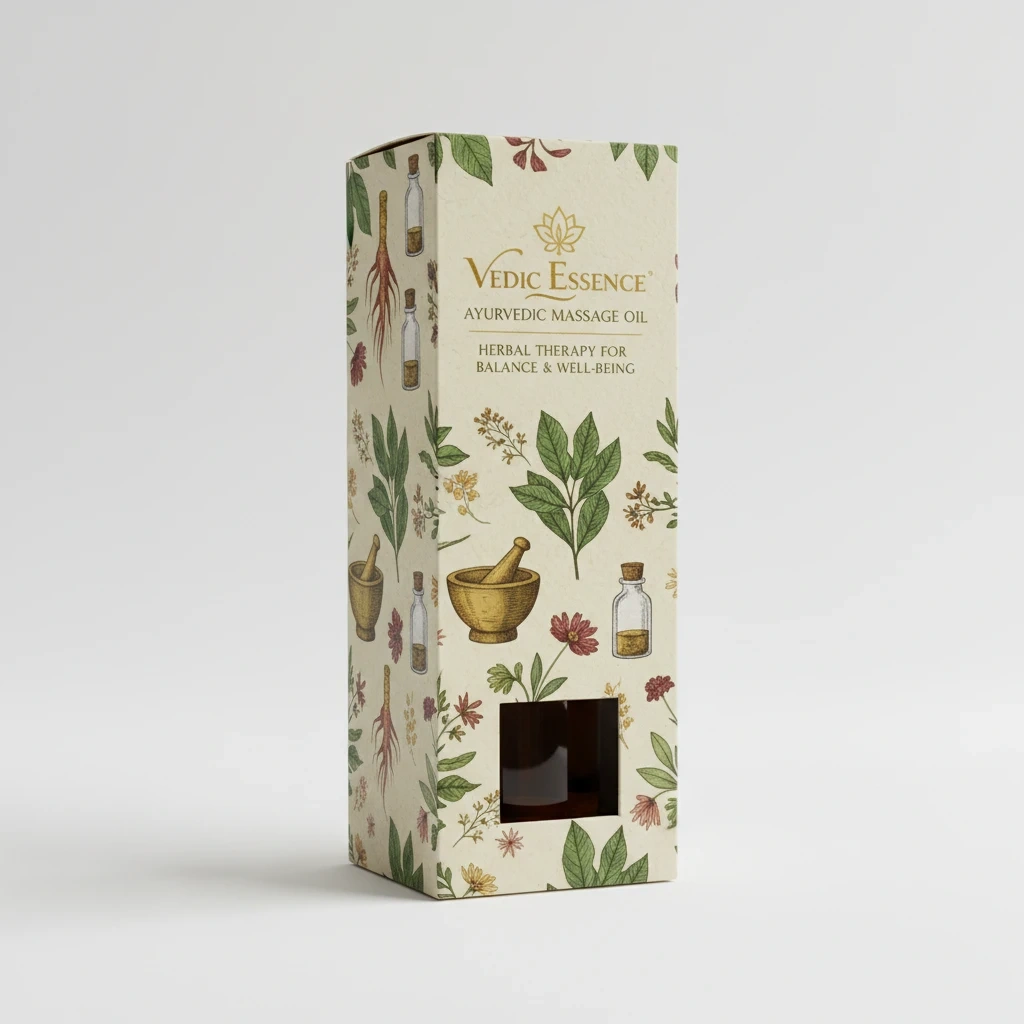
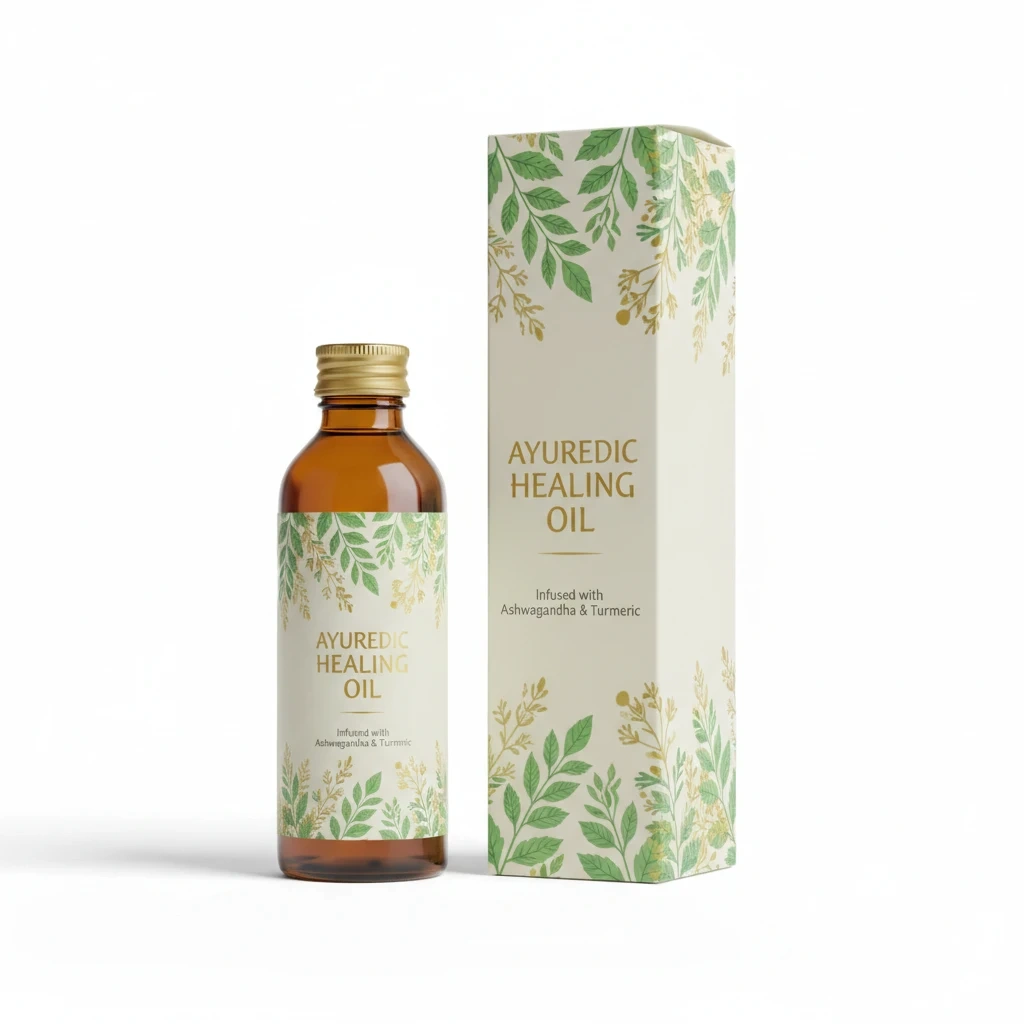
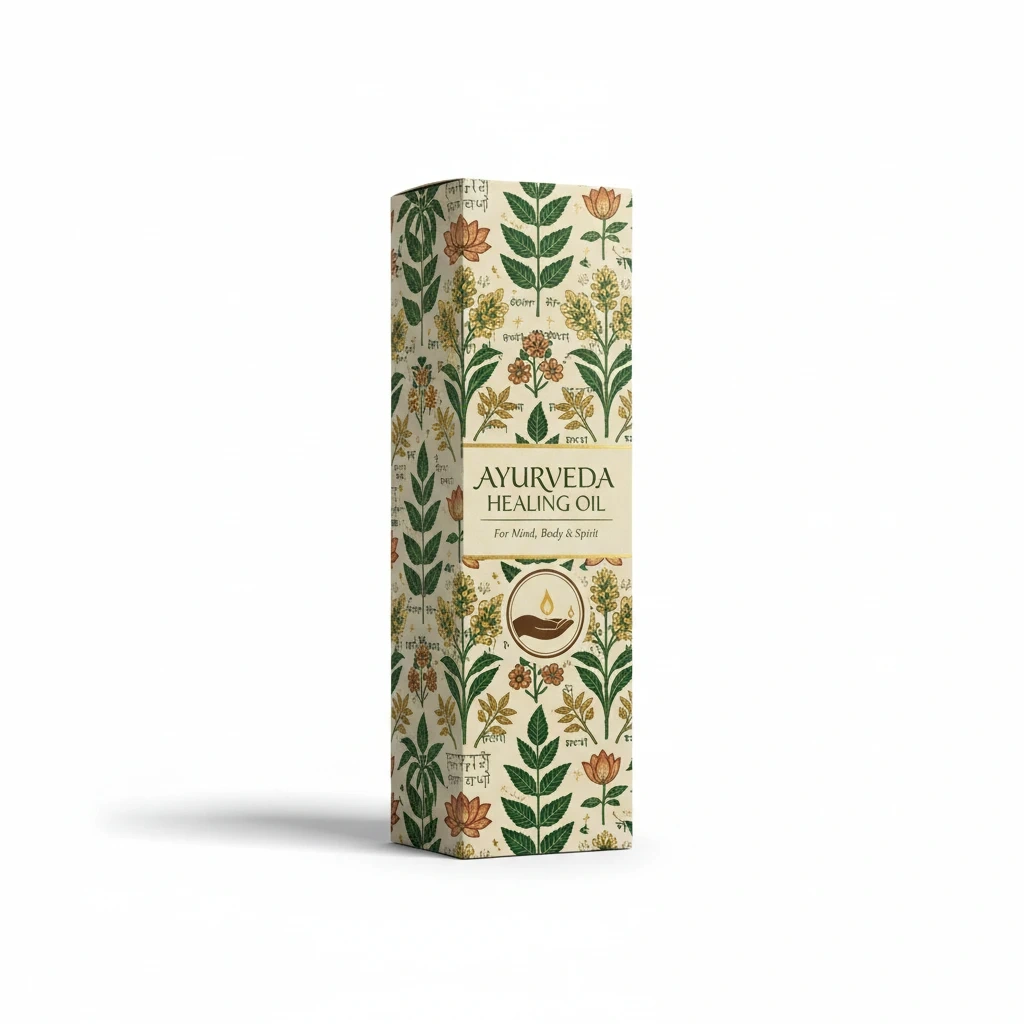
Pre-Glued Crash-Lock Carton Engineered for Heavier D2C Products, Glass Formats, and High-Volume Packing Lines
The Auto-Lock Bottom carton — also called a crash-lock or crash-bottom carton — is the structural upgrade brands reach for when STI or standard tuck formats are no longer sufficient. Its pre-glued base pops open and locks automatically, delivering a rigid, load-bearing bottom without any manual fold assembly.
For D2C brands shipping heavier products pan-India, running high-volume packing lines, or working with glass containers, ALB is not just a preference — it is the structurally correct choice.
At Anaika, we specify ALB only when the load, height, and distribution model genuinely require it. Not as an upsell. As an engineering call.
What Is an Auto-Lock Bottom Carton?
Before specifying ALB for your product, it helps to understand exactly what makes this structure different — and why that difference matters at scale.
Structural Property | Auto-Lock Bottom (ALB) Specification |
|---|---|
Category | Secondary Folding Carton |
Bottom Mechanism | Pre-glued crash-lock (auto-lock) base |
Glue Points | Manufacturer-applied at the bottom flaps — before delivery |
Supplied Form | Flat-folded, pre-assembled base — opens and locks with one push action |
Top Closure | Standard straight tuck or reverse tuck (specified per product) |
Assembly Action | Single push-open — no folding or tucking required at base |
When Does Your Current Carton Start Failing?
Most D2C brands discover structural problems after launch — in customer returns, courier damage claims, or collapsed product photos on review pages. Here is what under-specified carton bases actually cost you:
- Bottom flap opening mid-transit — tuck closures fail under compression and drop cycles that are standard in pan-India courier networks
- Glass bottle damage from base collapse — when the carton base gives way, the impact transfers directly to the product
- Tall product lean and topple — a weak base on a high-leverage container results in visible carton deformation on the shelf
- Slow packing line speed — manual tuck-bottom assembly adds 3–5 seconds per unit; at 5,000 units, that is 4–7 hours of lost production time
- Inconsistent base quality — hand-folded bases vary between operators, especially under seasonal production pressure
ALB eliminates all five. The pre-glued, crash-lock base is structurally consistent, fast to assemble, and engineered to hold under the load conditions your products actually face.
Load Logic — When to Specify ALB
ALB is not the default recommendation for every product. We specify it when your product’s weight, format, or distribution model makes a standard tuck bottom insufficient. Here is how we evaluate:
1. Weight Threshold Evaluation
Packed product weight is the primary structural trigger. Use the table below as a starting point — final recommendation follows full evaluation:
Packed Product Weight | Structural Recommendation |
|---|---|
Under 150g | Straight Tuck (STI) is generally sufficient — ALB not required |
150g – 250g | Evaluate height-to-base ratio and distribution model before confirming structure |
250g – 400g | Auto-Lock Bottom preferred — tuck base introduces meaningful failure risk |
400g and above | Auto-Lock Bottom strongly recommended — standard tuck base is insufficient |
2. Height-to-Base Leverage Risk
- Tall and heavy products create bottom hinge stress — the base panel acts as a lever fulcrum under lateral force
- Flap separation risk increases with product height — the longer the lever arm, the greater the force on the tuck closure
- Impact shock amplification during courier drops — tall containers transmit vertical drop energy directly to the base closure
- Interlocked base panels — four glued flaps interlock to distribute load across the full base perimeter
- Multi-point compression transfer — downward force spreads laterally through the glue bond, not through the flap edge
- Cross-fold reinforcement — the crash-lock geometry creates a rigid box section at the base, resisting deformation in all axes
3. Distribution Model Assessment
Distribution Type | Structural Stress | ALB Suitability |
|---|---|---|
Retail Shelf | Moderate stacking; low impact | Conditional — weight and height dependent |
Distributor Transit | Medium vibration and handling cycles | Recommended for heavier formats |
D2C Courier (pan-India) | High drop frequency and compression | Strongly Recommended |
Export | High stacking load and extended transit time | Preferred — base integrity critical |
4. Master Carton Stacking Pressure
- The pre-glued base panel absorbs vertical compression without relying on flap friction
- The crash-lock geometry prevents flap opening under sustained downward force
- Load transfers to the side wall panels — the structurally strongest part of the carton — rather than concentrating on flap edges
5. Packing Line Efficiency
Assembly Action | Standard Tuck Bottom | Auto-Lock Bottom |
|---|---|---|
Base assembly method | Manual fold and tuck — 3 to 4 actions per carton | Single push-open — 1 action per carton |
Time per unit (packing) | 4 to 6 seconds at base assembly | 1 to 2 seconds at base assembly |
Consistency | Variable — operator-dependent | Consistent — factory-glued, same every time |
Packing line speed improvement | Baseline | 30 to 50% faster base assembly |
Error rate | Higher under fatigue or volume pressure | Near-zero base assembly errors |
At 5,000 units, a 3-second saving per carton recovers 4+ hours of packing time. At 20,000 units, that is a full production day.
Best Suited For — Applications by Category
ALB performs best where product weight, container format, or distribution intensity exceeds the safe operating range of standard tuck structures. Here are the formats we regularly engineer for:
Skincare & Cosmetics – Heavier Formats
- 100ml and above face oil and serum bottles
- Full-size moisturiser and cream jars — 50g to 200g
- Glass dropper bottles and heavy pump formats
- Multi-product gift sets and bundled secondary packaging
Ayurvedic & Wellness Products
- 200ml to 500ml herbal oil and syrup bottles
- Heavy supplement and capsule jars — 100 count and above
- Churna and powder formats in glass or heavy PET
- Tonic and decoction bottles with heavier fill weights
Attar, Perfume & Fragrance – Glass Formats
- 50ml and above glass perfume bottles
- Premium attar sets and gift packaging
- Reed diffuser bottles — glass with liquid fill weight
- Export fragrance formats with high stacking requirements
General D2C – High Volume or Courier-Heavy
- Any product shipped pan-India via third-party courier at scale
- Seasonal or campaign production runs above 5,000 units
- Products with return rate issues linked to packaging damage
Board & GSM Selection for ALB Cartons
Packed Product Weight | Suggested Board | GSM Range |
|---|---|---|
200g – 350g | SBS (Solid Bleached Sulfate) | 300 – 350 GSM |
350g – 600g | SBS or High BF Board | 350 – 400 GSM |
Tall and heavy formats | High BF Board or reinforced structure | 400 GSM+ — evaluate case by case |
Export or high-stacking | FBB or High BF Board | Confirmed after the load review |
Surface Finish Options
- Matte lamination — preferred by premium skincare and Ayurvedic brands for a refined, tactile surface
- Gloss lamination — high visual impact; suited for bold D2C brand aesthetics and gifting formats
- Soft-touch lamination — elevated feel for luxury fragrance, attar, and cosmetic formats
- Foil stamping — gold, silver, and custom foil for premium and export brand positioning
- Spot UV — selective high-gloss coating on logos, patterns, or product names
- Embossing and debossing — dimensional surface texture for luxury brand differentiation
Master Carton Consideration – The System Matters
- Units per master carton and internal arrangement — padding, dividers, and fit tolerance
- 3-ply vs. 5-ply corrugated board selection based on total stack weight
- Warehouse dwell time and stacking height — 4-layer vs. 6-layer compression profiles are meaningfully different
- Distribution distance and handling cycles — local fulfillment vs. pan-India transit vs. export
Frequently Asked Questions
What is the MOQ for ALB cartons?
Is ALB more expensive than STI?
Can ALB be used for retail shelf display as well as courier?
What GSM should I specify for a 300g product in a glass bottle?
Do you offer structural sampling before bulk?
Can I switch from STI to ALB on an existing SKU?
Why Work With Anaika — Structural Clarity Before Production
- Load-based GSM recommendation — board weight is specified to your product’s filled weight, not a default range
- Height and leverage risk assessment — tall or slender container formats are evaluated for rotational base stress before carton dimensions are confirmed
- Distribution model review — we specify ALB only where the distribution profile genuinely requires it, not as a default upgrade
- Controlled die-line sharing — die-lines are issued with structural context and tied to confirmed product dimensions
- Structured artwork validation — artwork is reviewed against print-safe zones and structural fold lines before plate-making
- Structural sampling before bulk — mockups and printed samples are standard; drop testing available for glass and heavy formats
- Coordinated manufacturing execution — single-point accountability from structural brief to delivery
Ready to specify the right base for your product?
- Product filled weight (grams)
- Container dimensions — height, width, depth
- Container material — glass, PET, HDPE, or other
- Distribution model — retail, D2C courier, export, or mixed
- Units per master carton (if known)
- Current packaging issue, if any — damage rate, packing speed, or structural concern