HIGH ALERT Drug Label – Medication Safety
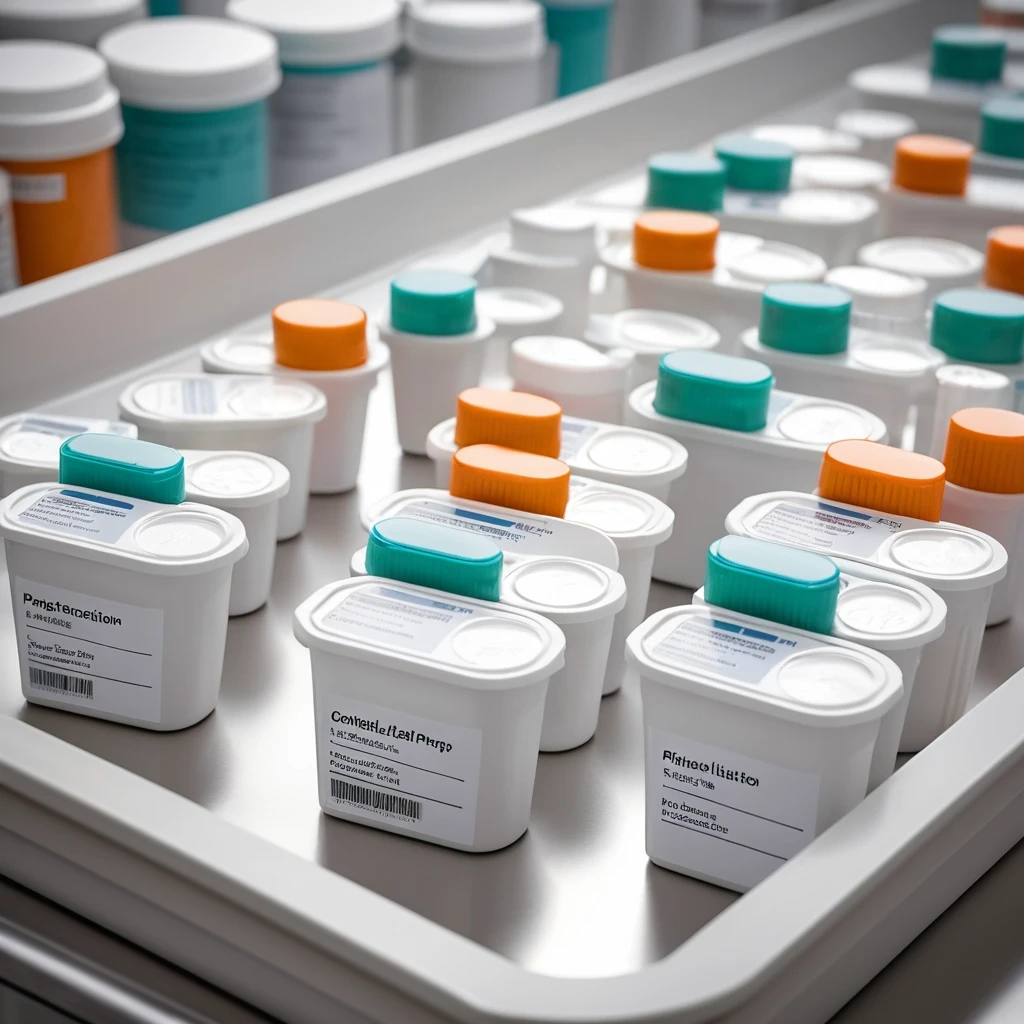
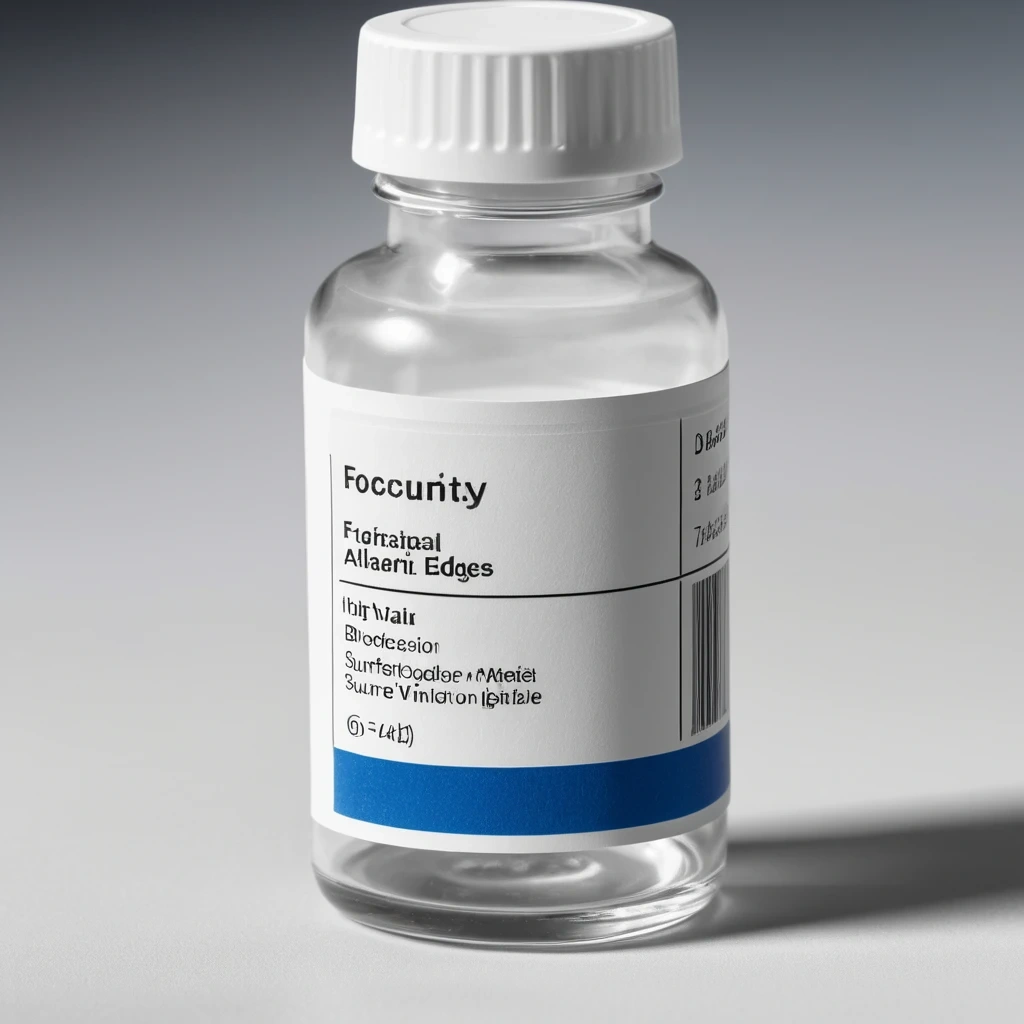
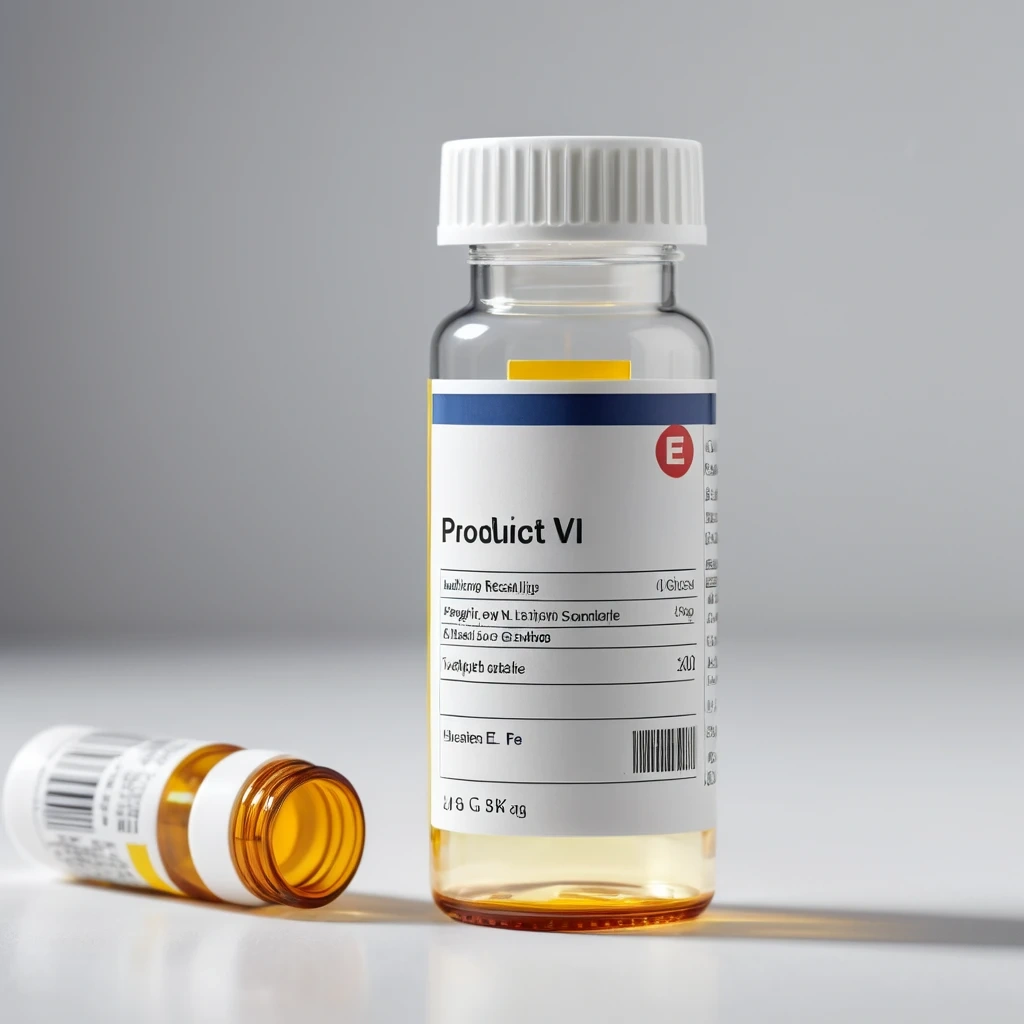
High-alert medications carry an increased risk of causing serious harm if used incorrectly. In busy clinical environments, unclear or poorly visible labeling increases the chance of dosing errors, incorrect administration, or look-alike–sound-alike drug confusion. Generic labels fade, peel, or blend into standard packaging, reducing their effectiveness as a safety control. Anaika offers high alert drug label solutions engineered to improve visibility, durability, and placement consistency—supporting medication safety protocols across hospitals, pharmacies, and clinical settings.
Key Features
-
Designed to clearly distinguish high-risk medications
-
Print-optimized surface for bold safety messaging
-
Strong adhesion on vials, bottles, syringes, and IV bags
-
Smudge-resistant coating for repeated handling
-
Maintains visibility under hospital lighting conditions
-
Suitable for manual and automated application
-
Compatible with inkjet, thermal transfer, and digital printing
Technical Specifications
| Parameter | Details |
|---|---|
| Material | Paper or synthetic safety-label stock |
| Adhesive Type | Permanent acrylic |
| Surface Finish | Matte (glare-reducing) |
| Substrate Compatibility | Glass vials, PET/HDPE bottles, IV bags |
| Print Compatibility | Inkjet, Thermal Transfer, Digital |
| Smudge Resistance | High |
| Thickness | 60–90 microns |
| Shelf Life | 12 months |
Applications
-
High-alert medications in hospitals and ICUs
-
Injectable drugs and IV preparations
-
Pharmacy compounding and dispensing areas
-
Emergency and critical care medication trays
-
Clinical trial drugs requiring additional safeguards
-
Medication safety and risk-reduction programs
Why Choose Anaika?
-
Label materials selected to enhance medication safety visibility
-
Consistent print quality for critical warning identification
-
Custom sizes and layouts to suit vials, syringes, and bottles
-
Reliable adhesion without obscuring essential drug information
-
Supports low-volume, high-importance safety labeling needs
-
Technical guidance on placement aligned with medication safety protocols