How to Prevent Carton Crushing During Storage and Shipping

prevent carton crushing during shipping

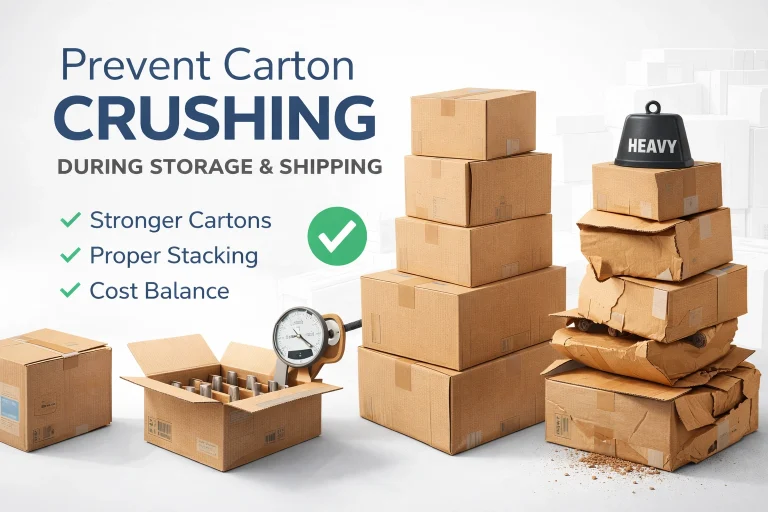
Carton crushing is a common issue in logistics, especially when products are stacked during storage or transit.

Weak packaging structure, improper stacking, and incorrect material selection often lead to collapsed cartons — damaging products and increasing losses.

In this guide, we break down how to design cartons that can handle load, maintain shape, and protect products under real-world conditions.

1. Why Cartons Get Crushed

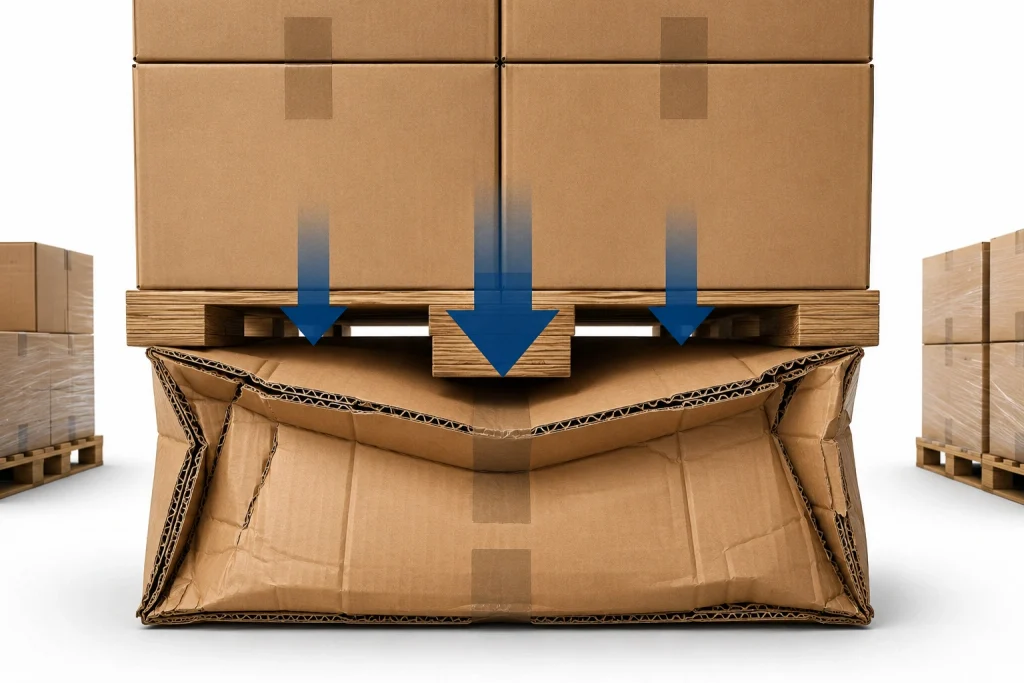
Carton crushing typically happens due to compression forces, not impact.

Key causes include:

  • Heavy stacking in warehouses
  • Load pressure during transport
  • Weak corrugated structure
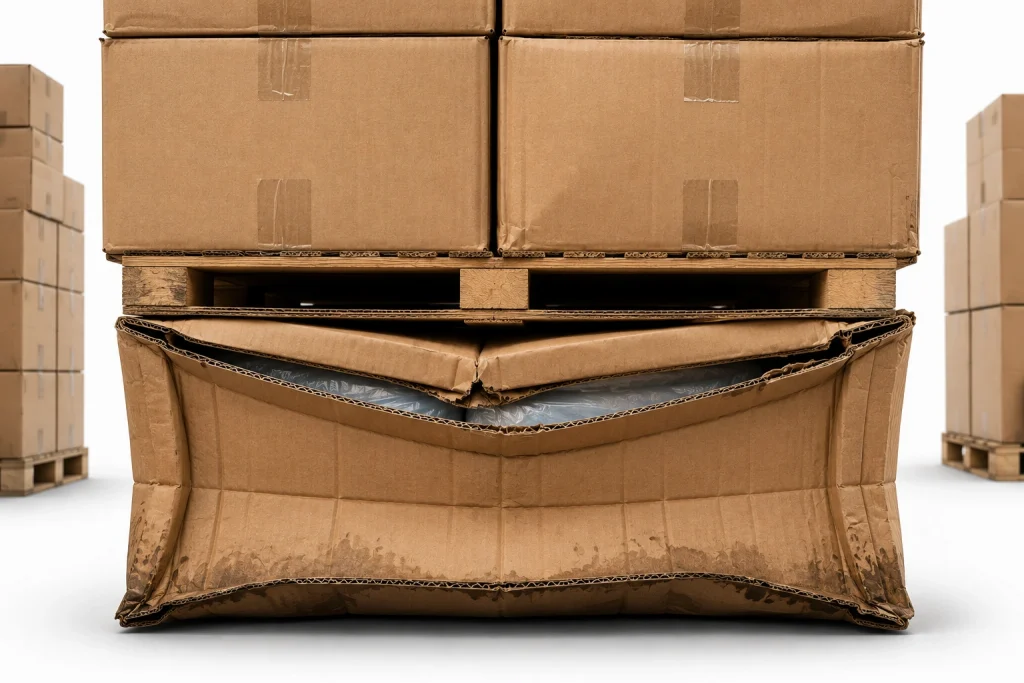
  • Moisture-reducing material strength

Cartons fail when they are not designed for vertical load

2. Common Packaging Mistakes

Many brands unknowingly use cartons that cannot handle stacking pressure:

  • Using 3-ply cartons for heavy products ❌

  • Ignoring stacking height in warehouses ❌

  • Choosing low GSM paper ❌

  • Oversized cartons with uneven load ❌

  • Not considering humidity conditions ❌ 

  These mistakes lead to carton deformation and product damage

3. Practical Packaging Approach

To prevent crushing, packaging should be designed for a load-bearing capacity

🔹Compression Strength

Cartons must withstand vertical stacking pressure 

🔹Structural Integrity

The box shape should remain intact under load

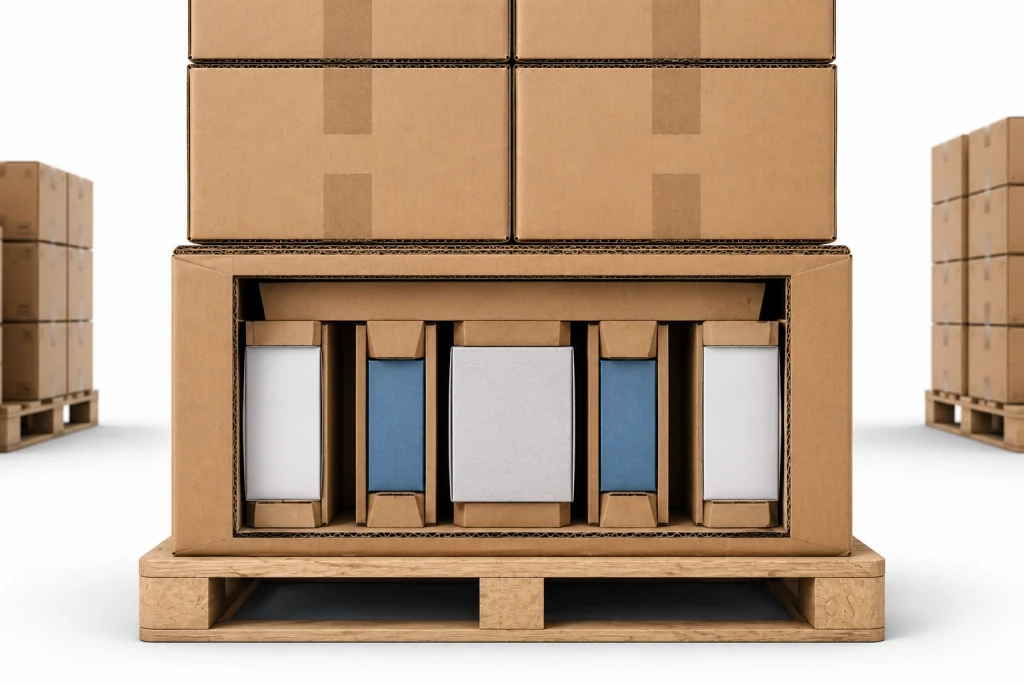
🔹Internal Support

Proper product placement prevents uneven pressure

 
The goal is to distribute the load evenly and maintain the structure

4. Recommended Packaging Structures

Based on use-case, here are commonly used structures:

📦High-Strength Corrugated Cartons

  • 5 ply for medium-heavy loads
  • 7 ply for heavy-duty applications
  • Higher GSM paper for added strength

📦Flute Selection

  • B flute → better stacking strength
  • C flute → better cushioning
  • BC flute → combination strength

📦Structural Enhancements

  • Reduce empty space inside cartons
  • Use tighter packing configurations
  • Add internal supports if required
Structure should match weight + stacking conditions

5. Cost vs Strength Trade-off

Stronger cartons increase cost, but:

  • reduce product damage
  • improve stacking efficiency
  • lower logistics losses. 
The right balance depends on:
  • product weight
  • storage duration
  • transportation conditions

6. Final Recommendation

There is no universal carton strength that works for all cases.

The right solution depends on:

  • Product weight and density
  • Stacking height
  • Storage environment (humidity, duration)
  • Logistics handling 

A well-designed carton prevents crushing, protects products, and improves operational efficiency

7. Frequently Asked Questions

Why do cartons get crushed during shipping or storage?

Answer:

Cartons get crushed due to:

  • excessive stacking weight
  • low-strength corrugated boxes
  • poor structural design
  • High humidity weakens the material

Most crushing happens when packaging is not designed for load-bearing conditions.

What type of carton is best to prevent crushing?

Answer:
5 ply or 7 ply corrugated cartons with high GSM paper and strong flute structure are best for preventing crushing, especially for heavy or stackable loads. 

 

How do you increase carton strength for stacking?

Answer:
Carton strength can be improved by: 
  • increasing ply (3 → 5 → 7 ply)
  • using higher GSM paper
  • optimizing flute type (B flute, C flute, etc.)
  • Reducing empty space inside the carton

What causes cartons to collapse under load?

Answer:
Cartons collapse due to:
  • vertical compression from stacking
  • weak material quality
  • moisture exposure
  • uneven weight distribution