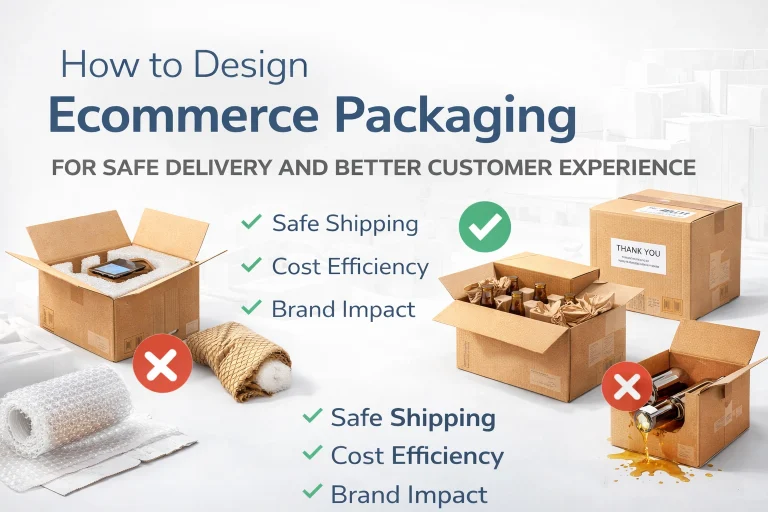
E-commerce packaging is not just about putting a product in a box — it directly impacts delivery safety, shipping cost, and customer experience.
Unlike retail packaging, ecommerce packaging must handle multiple touchpoints, rough handling, and long-distance shipping.
In this guide, we break down how to design packaging that protects your product, reduces returns, and enhances brand perception.
Want to get your existing packaging reviewed?
1. Why E-commerce Packaging Matters E-commerce packaging impacts multiple aspects of your business:
product safety during transit shipping cost (volumetric weight) customer unboxing experience return and replacement rates Packaging is a critical part of the e-commerce experience
2. Common E-commerce Packaging Mistakes Many brands use incorrect packaging approaches:
Using retail packaging for shipping Oversized boxes with excessive filler Weak cartons leading to damage No standard packaging system Ignoring the unboxing experience These mistakes increase cost and reduce customer satisfaction
3. Practical Packaging Approach E-commerce packaging should be designed with a balance of:
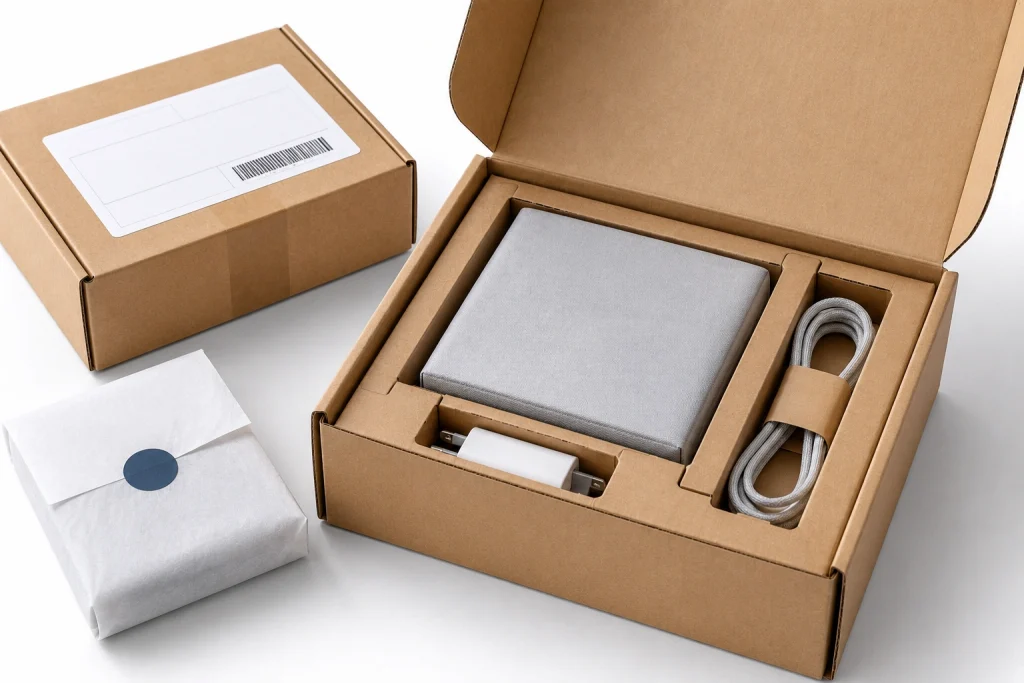
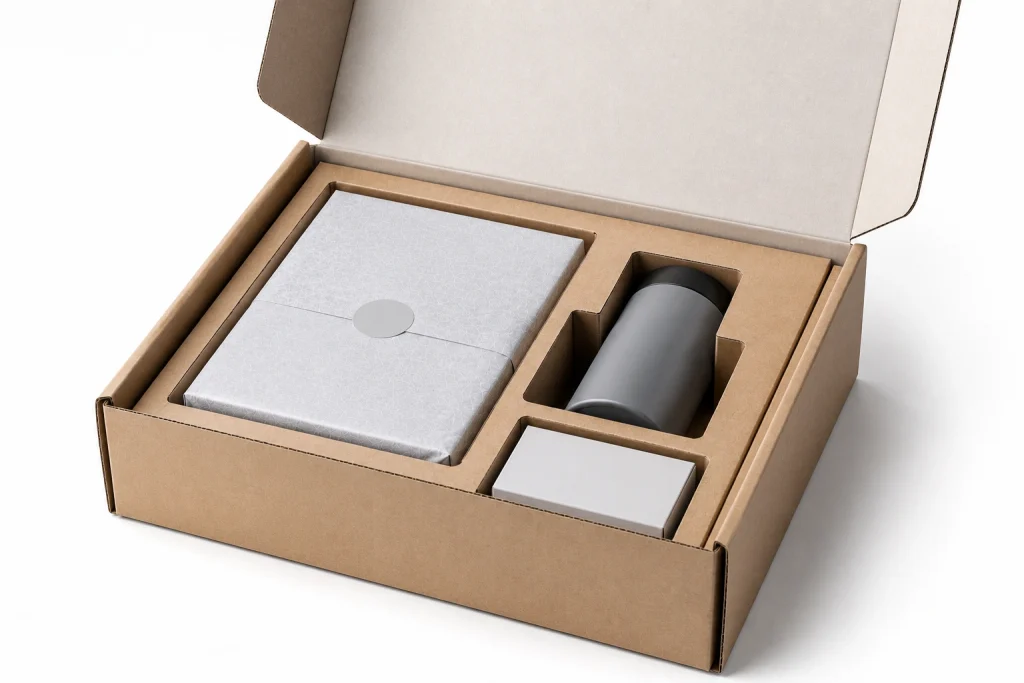
Packaging must withstand handling and transit
Optimize material and shipping costs
Ensure clean and presentable packaging
The goal is to protect, optimize, and impress
5. Cost vs Efficiency Trade-off E-commerce packaging must balance:
Cost efficiency Product safety Customer experience Over-packaging increases cost, under-packaging increases damage
The right approach depends on:
Product type Order value Brand positioning 6. Final Recommendation There is no one-size-fits-all ecommerce packaging solution. The ideal packaging depends on:
Product category Shipping method Brand positioning Cost sensitivity A well-designed e-commerce packaging system reduces damage, lowers cost, and improves customer experience
Launching a new product?
Related Packaging Solutions
7. Frequently Asked Questions What is e-commerce packaging? Answer:
E-commerce packaging refers to packaging designed specifically for shipping products directly to customers, focusing on protection, cost efficiency, and customer experience.
How is e-commerce packaging different from retail packaging? Answer:
E-commerce packaging is designed for shipping and handling, while retail packaging is designed for display. E-commerce packaging focuses more on protection and durability.
What type of packaging is best for e-commerce shipping? Answer:
Corrugated boxes (3 ply or 5 ply) with proper internal protection are best for e-commerce, as they provide strength and protect products during transit.
How can e-commerce packaging reduce returns? Answer:
Returns can be reduced by:
Using proper protective packaging Eliminating product movement Choosing the right box strength Designing packaging for shipping conditions 

 Protection
 Protection
 Shipping Cartons