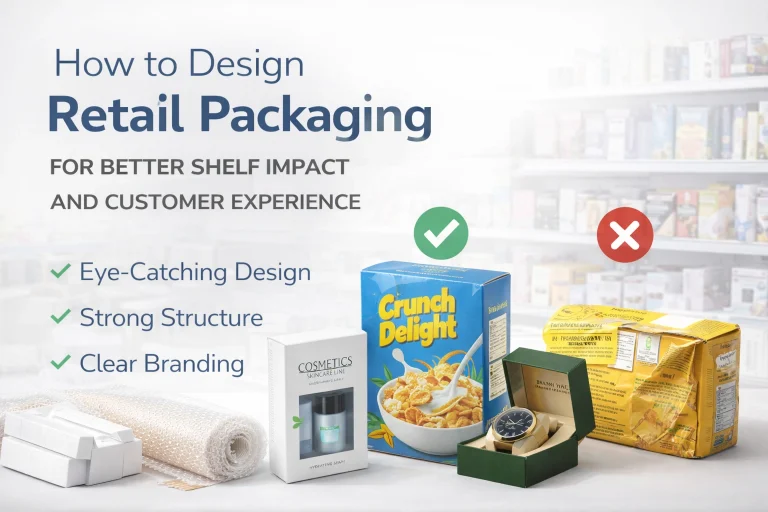
How to Design Retail Packaging for Better Shelf Impact and Customer Experience

designing effective retail packaging

Retail packaging is not just about protecting a product — it plays a critical role in influencing buying decisions.

On a crowded shelf, your packaging is often the first interaction a customer has with your brand.

In this guide, we break down how to design retail packaging that attracts attention, communicates value, and enhances the overall product experience.

1. Why Retail Packaging Matters

Retail packaging directly influences:

  • first impression
  • purchase decisions
  • brand perception
  • product positioning

 Packaging acts as a silent salesperson on the shelf

2. Common E-commerce Packaging Mistakes

Many brands miss the mark by:

  • Overloading design with information

  • Weak structure leading to deformation

  • Poor visibility on shelves

  • Ignoring product display orientation

  • Focusing only on looks, not usability

These mistakes reduce product appeal and impact sales

3. Practical Packaging Approach

Retail packaging should balance:

🔷Visual Appeal

Design should attract attention instantly

🔷Structural Stability

Packaging must hold its shape on shelves

🔷Communication

Clear product information and branding

🔷User Experience

Easy to handle, open, and store

The goal is to attract, communicate, and convert

4. Recommended Packaging Structures

Based on use-case, here are commonly used structures:

📦Folding Cartons

  • cost-effective
  • suitable for lightweight products

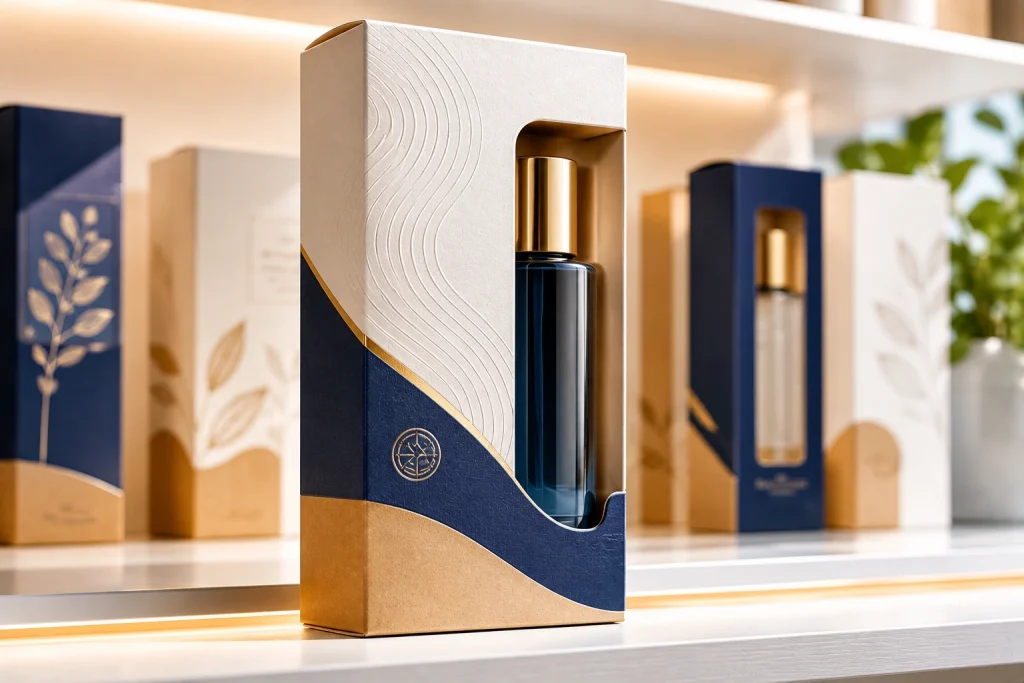
📦Rigid Boxes

  • premium feel
  • high brand value

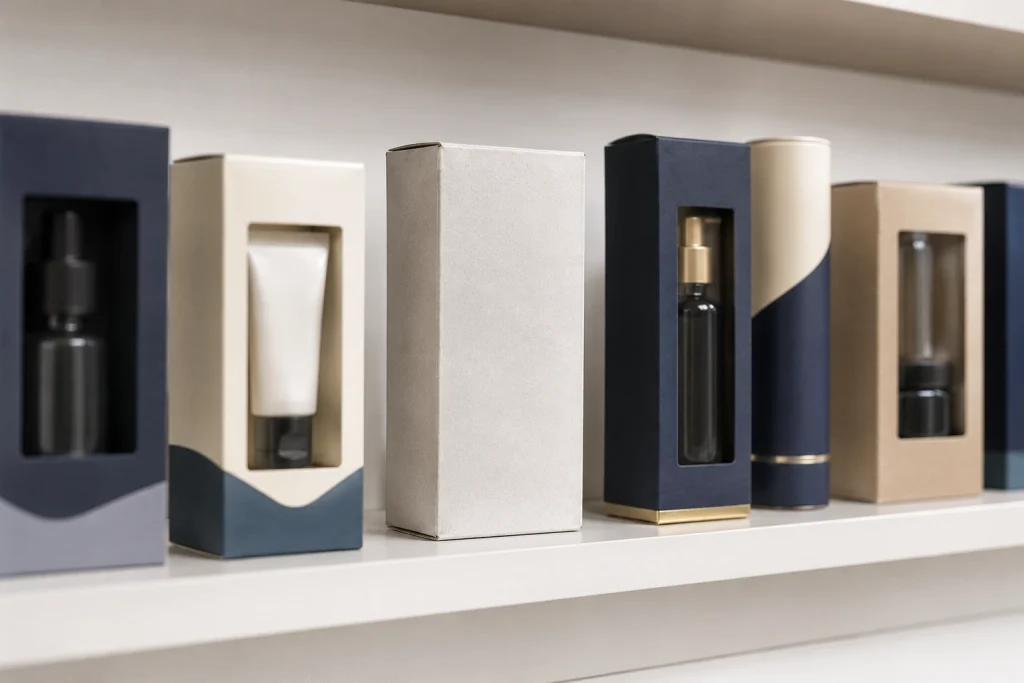
📦Display Packaging

  • designed for shelf placement
  • improves product visibility

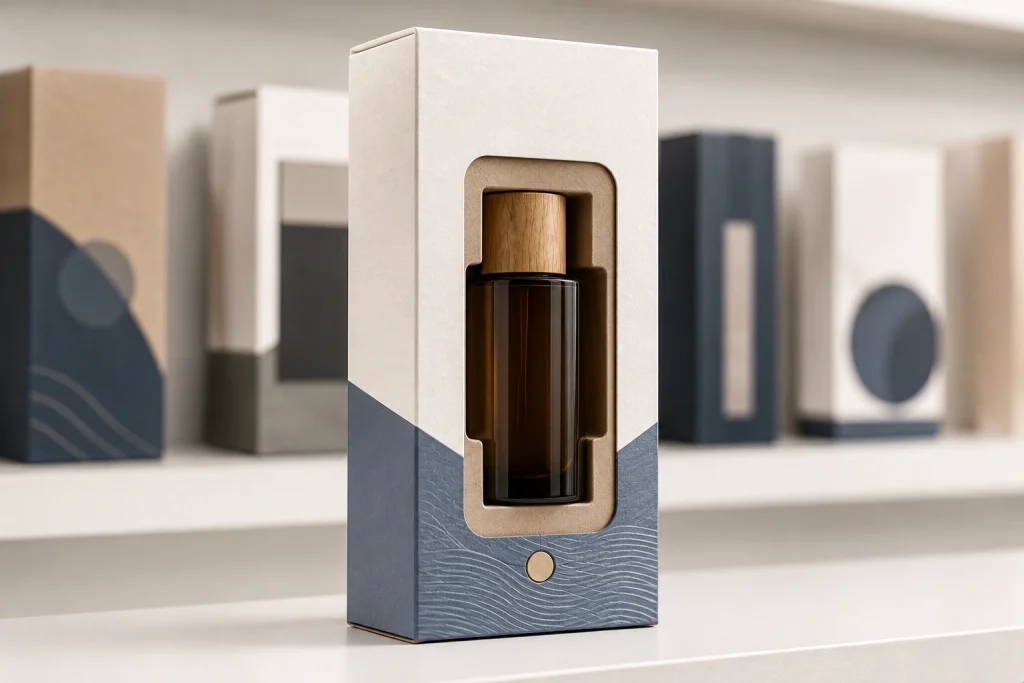
📦Window Packaging

  • allows product visibility
  • builds customer trust
Structure should align with brand positioning + product type

5. Cost vs Brand Impact Trade-off

Retail packaging often requires balancing:

  • cost
  • visual appeal
  • perceived value

Lower cost → simpler packaging

Higher investment → stronger brand perception

The right choice depends on:

  • target audience
  • product category
  • price positioning
 

6. Final Recommendation

There is no one-size-fits-all retail packaging solution.

The ideal approach depends on:

  • product type
  • retail environment
  • brand positioning
  • customer expectations

A well-designed retail packaging system improves visibility, enhances brand perception, and drives sales

7. Frequently Asked Questions

What is retail packaging?

Answer:

Retail packaging is designed for in-store display, focusing on visual appeal, branding, and customer experience, while still providing basic product protection.

How is retail packaging different from e-commerce packaging?

Answer:
Retail packaging focuses on shelf appeal and branding, while e-commerce packaging focuses on shipping protection and durability. 

 

What makes retail packaging effective?

Answer:
Effective retail packaging combines:
  • attractive design
  • clear communication
  • structural stability
  • ease of handling

What type of packaging is used in retail?

Answer:
Common retail packaging includes:
  • folding cartons
  • rigid boxes
  • display boxes
  • window packaging