How to Design Export Packaging for Safe International Shipping

designing packaging for safe shipping

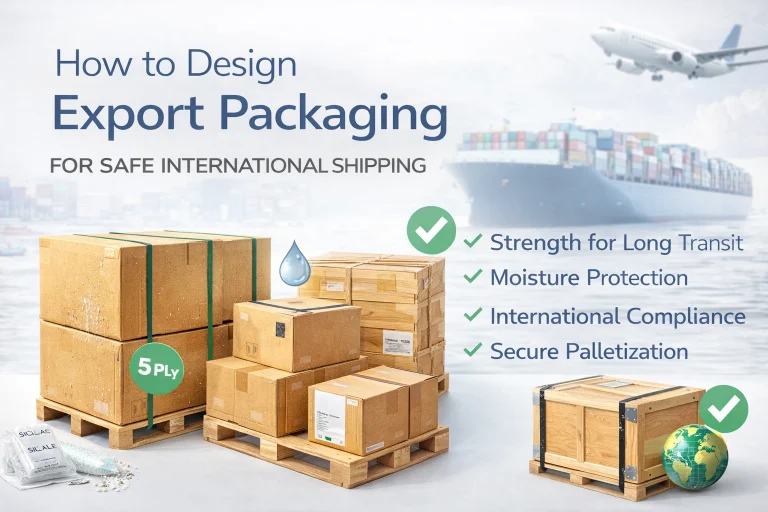
Export packaging is designed for long-distance transportation, multiple handling points, and varying environmental conditions.

Unlike domestic shipping, export packaging must withstand extended transit times, moisture exposure, and heavy stacking — while also meeting international compliance requirements.

In this guide, we break down how to design packaging that protects your products during global shipping and ensures smooth delivery.

1. Why Export Packaging Matters

Export packaging must handle:

  • long transit durations
  • multiple loading/unloading points
  • stacking in containers
  • environmental exposure (humidity, temperature)

Packaging must perform under unpredictable conditions

2. Common Export Packaging Mistakes

Many exporters face damage due to:

  • Using domestic packaging for export ❌
  • Ignoring moisture protection ❌
  • Weak cartons for heavy loads ❌
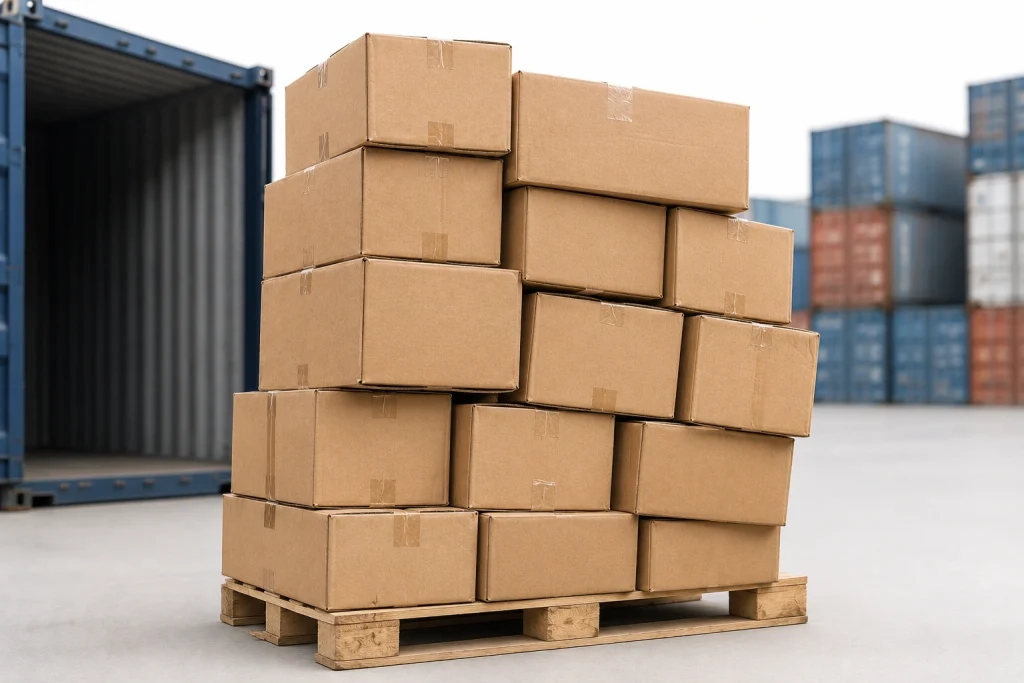
  • Improper palletization ❌
  • No consideration for container stacking ❌
These mistakes lead to product damage and shipment losses
 

3. Practical Packaging Approach

Export packaging should be designed with:

🔹Strength

Handle heavy loads and stacking

🔹Stability

Secure products to avoid movement

🔹Environmental Protection

Protect against moisture and climate changes

🔹Compliance

Meet export and shipping standards

The goal is to protect across distance, time, and conditions

4. Recommended Packaging Structures

Based on use-case, here are commonly used structures:

📦Heavy-Duty Corrugated Cartons

  • 5 ply or 7 ply
  • high GSM paper

📦Palletized Packaging

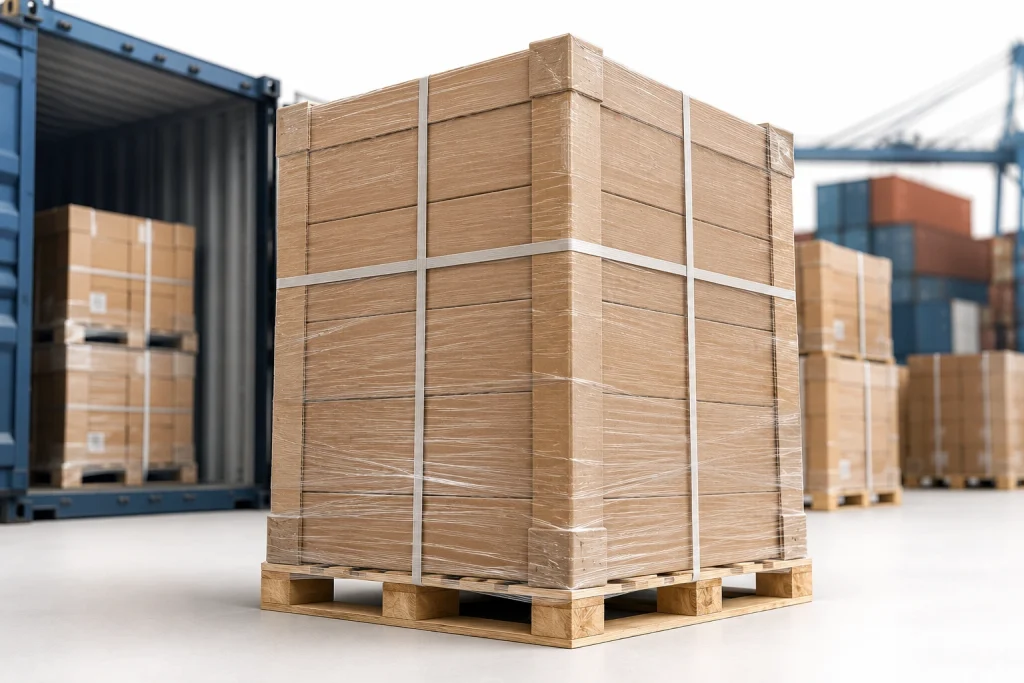
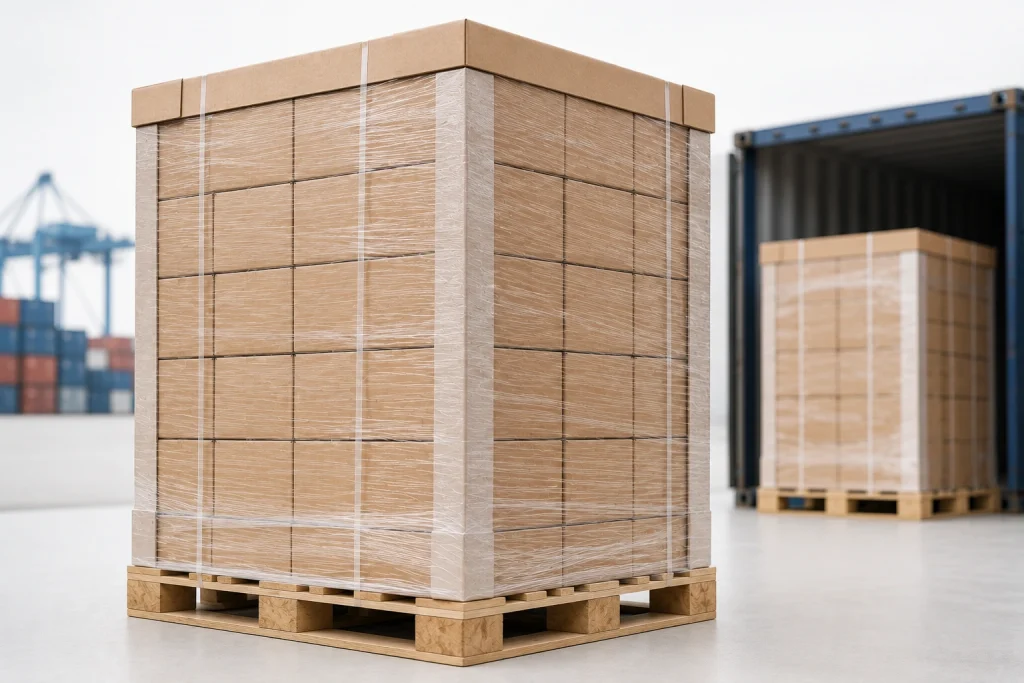
  • wooden pallets
  • stretch wrapping
  • strapping for stability

📦Moisture Protection

  • plastic liners
  • silica gel/desiccants
  • laminated packaging

📦Crating (For High-Value/Heavy Items)

  • wooden crates
  • reinforced structures
Structure should match product type + shipping conditions

5. Cost vs Protection Trade-off

Export packaging involves:

  • Higher packaging cost
  • but lower risk of damage and loss

Under-packaging can result in significant financial loss

The right balance depends on:

  • product value
  • shipping distance
  • handling conditions

6. Final Recommendation

There is no one-size-fits-all export packaging solution.

The ideal approach depends on:

  • product type and fragility
  • shipping method (air/sea)
  • destination conditions
  • cost sensitivity

A well-designed export packaging system ensures safe delivery, reduces losses, and improves reliability

7. Frequently Asked Questions

What is export packaging?

Answer:

Export packaging is designed specifically for international shipping, focusing on durability, protection against environmental conditions, and compliance with shipping regulations.

How is export packaging different from domestic packaging?

Answer:
Export packaging is designed for longer transit, rougher handling, and exposure to moisture and climate changes, whereas domestic packaging typically faces shorter and more controlled conditions. 
 

What type of packaging is used for export?

Answer:
Export packaging commonly uses:
  • high-strength corrugated boxes (5 ply or 7 ply)
  • wooden pallets or crates
  • moisture protection materials
  • secure strapping and wrapping

How do you protect products during international shipping?

Answer:
To protect products during export:
  • Use strong outer packaging
  • Add moisture protection
  • Ensure tight packing to avoid movement
  • Use pallets for stability
  • Design packaging for long transit conditions