
Reverse Tuck End (RTE) Carton

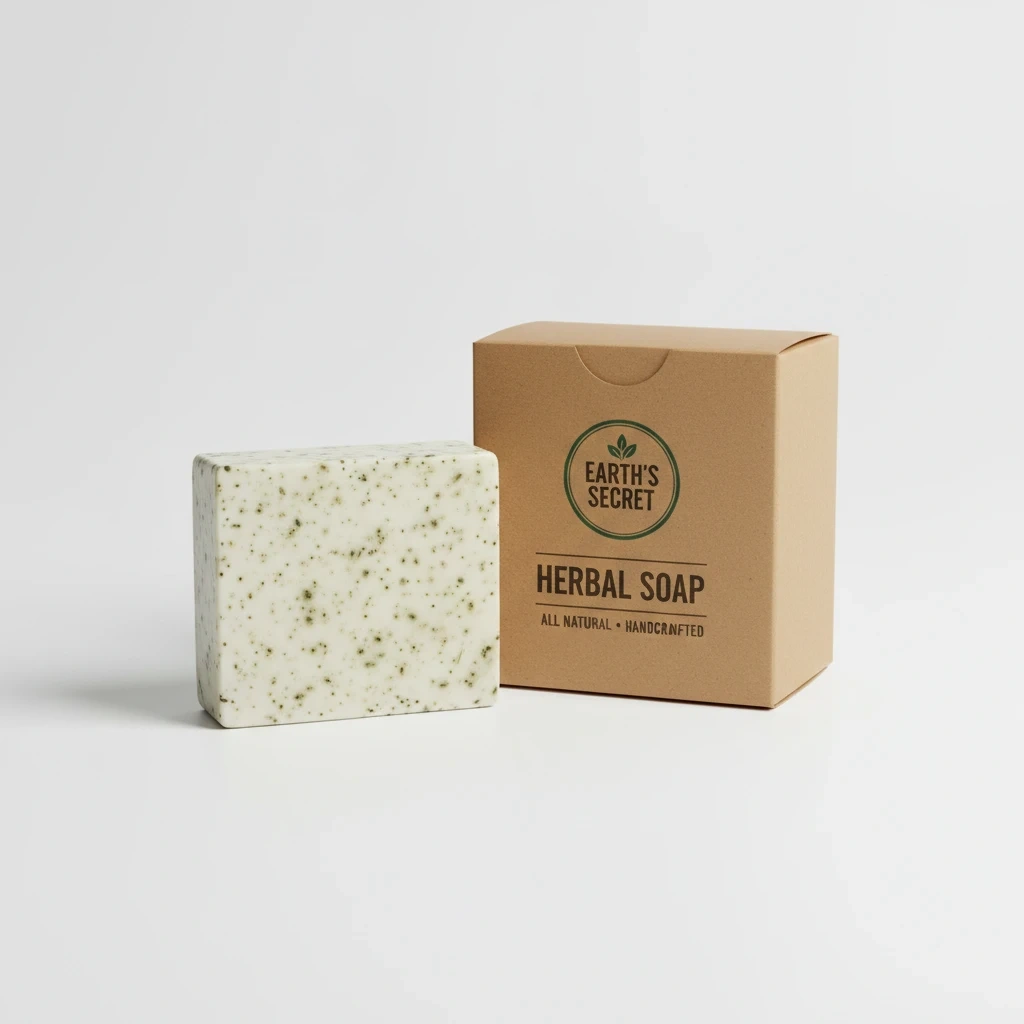

Balanced Folding Carton Structure for Mid-Weight FMCG, Skincare & Wellness Packaging
The Reverse Tuck End (RTE) carton is a folding carton structure designed for products that sit between lightweight STI cartons and heavier Auto-Lock Bottom (ALB) systems.
RTE cartons use opposite-direction tuck closures at the top and bottom, creating a more balanced fold pattern compared to Standard Straight Tuck (STI) cartons.
This structure is commonly used for:
- Skincare packaging
- Cosmetic cartons
- Wellness products
- Ayurvedic packaging
- Supplement cartons
- Attar and fragrance packaging
- Mid-weight FMCG products
RTE is often the ideal choice for brands needing improved closure stability over STI, without moving to the complexity and cost of ALB packaging.
At Anaika Enterprises, we evaluate the product’s weight, dimensions, and distribution model before confirming whether STI, RTE, or ALB is structurally appropriate.
A Short Video on the RTE Box Structure
At Anaika Enterprises, we use the Reverse Tuck End (RTE) structure to develop packaging solutions that combine product protection, efficient manufacturing, and strong shelf appeal. This carton style is ideal for a wide range of retail and consumer products.
What Makes RTE Different?
The defining feature of RTE cartons is the reverse-direction tuck closure system.
Unlike STI cartons — where both flaps close in the same direction — RTE cartons close in opposite directions.
This creates:
- Improved closure balance
- Better load distribution
- Stronger hold under moderate product weight
- Better stability during handling
Without requiring:
- Pre-glued bases
- Additional manufacturing complexity
- Auto-lock mechanisms
Why Brands Use RTE Cartons
RTE cartons are widely preferred because they balance:
- Structural reliability
- Cost efficiency
- Retail presentation
- Manageable assembly
- Moderate courier suitability
Key Advantages
Better Closure Balance Than STI
Opposite-direction flap orientation distributes stress more evenly during handling.
Cost-Efficient Structural Upgrade
RTE improves structural performance without the added manufacturing cost of ALB.
Clean Retail Appearance
The structure maintains a clean, professional retail presentation suitable for FMCG and D2C products.
Efficient Flat-Packed Supply
Cartons are supplied flat-packed for easy storage and logistics efficiency.
Suitable for Mid-Weight Products
RTE performs especially well for products where STI begins to feel structurally borderline.
Best Suited For
Skincare & Cosmetic Packaging
- Serum bottles
- Moisturiser jars
- Toner cartons
- Cosmetic packaging
- Treatment products
Ayurvedic & Wellness Packaging
- Herbal oil cartons
- Supplement bottles
- Capsule cartons
- Wellness products
Attar & Fragrance Packaging
- Attar bottles
- Compact perfume formats
- Fragrance packaging
- Travel-size fragrance kits
FMCG & Retail Products
- Mid-weight retail cartons
- Personal care packaging
- Lightweight glass containers
- Consumer product packaging
When RTE Works Best
ALB is usually recommended when one or more of the following conditions exist:
RTE performs best for products requiring stronger closure balance than STI while remaining within moderate weight ranges.
Ideal Use Cases
Mid-Weight Products
Typically between:
- 150g to 250g packed weight
Retail + Light Courier Distribution
Suitable for:
- Retail shelf packaging
- Distributor movement
- Light D2C courier handling
Moderate Height Containers
RTE performs well when the height-to-base ratio remains structurally balanced.
When RTE May Not Be Enough
RTE is not intended for every product category.
ALB May Be Better For:
- Products above 300g
- Tall glass bottles
- Heavy courier distribution
- Pan-India D2C shipping
- High stacking pressure environments
In these cases, reinforced structures like:
- Auto-Lock Bottom (ALB)
typically provide better structural reliability.
Common Packaging Problems RTE Helps Reduce
Flap Loosening in STI Cartons
Opposite-direction flaps improve closure balance under moderate load.
Mid-Weight Structural Instability
RTE provides additional structural margin before moving to ALB.
Slight Courier Stress
RTE performs more consistently than STI in mixed retail and light courier environments.
Cost Escalation from Over-Specification
RTE helps avoid unnecessary ALB upgrades where they are not structurally required.
Typical Structural Guidelines
Final structure recommendation depends on:
- Filled product weight
- Container dimensions
- Height-to-base ratio
- Shipping model
- Stacking conditions
General Weight Guidelines
Under 150g
STI cartons are generally sufficient.
150g – 250g
Ideal operating range for RTE cartons.
250g – 300g
Conditional — requires structural evaluation.
Above 300g
ALB is generally preferred.
Why Brands Work With Anaika Enterprises
Most packaging vendors recommend structures based only on appearance or standard sizing.
At Anaika Enterprises, we evaluate packaging structurally before production.
Our Approach Includes:
- Load-based GSM recommendation
- Structure evaluation based on the distribution model
- Packaging development support
- Controlled die-line coordination
- Artwork alignment support
- Structural sampling before production
- Production execution coordination
We primarily work with:
- Skincare brands
- Wellness brands
- Attar and fragrance brands
- FMCG businesses
- D2C product companies
Requiring packaging systems that balance:
- Protection
- Presentation
- Logistics performance
- Operational efficiency
- Packaging cost control
Related Packaging Solutions
Frequently Asked Questions
What is the difference between RTE and STI cartons?
When should I choose RTE over ALB?
RTE is suitable for products under approximately 300g with moderate height and retail-focused or light courier distribution. ALB is preferred for heavier products, tall glass containers, or pan-India courier shipping.
Is ALB suitable for courier shipping?
Yes. ALB cartons are specifically well-suited for courier-heavy distribution models, especially for fragile or heavier products.
Is RTE suitable for courier shipping?
Conditionally. RTE works well for light courier distribution and moderate product weight. For heavy courier handling or fragile glass formats, ALB is usually recommended.
What GSM is typically used for RTE cartons?
Can I switch my current STI carton to RTE?
Do you provide sampling before production?
Yes. Structural mockups and printed samples are available before bulk production approval.
Not Sure If RTE Is Right for Your Product?
Share the following details with us:
- Product-filled weight
- Container dimensions
- Container material (glass / PET / HDPE)
- Shipping model
- Stacking conditions
- Current packaging issues (if any)
We will help evaluate the correct packaging structure before production.