Irritant Warning Label – Manufacturing Areas
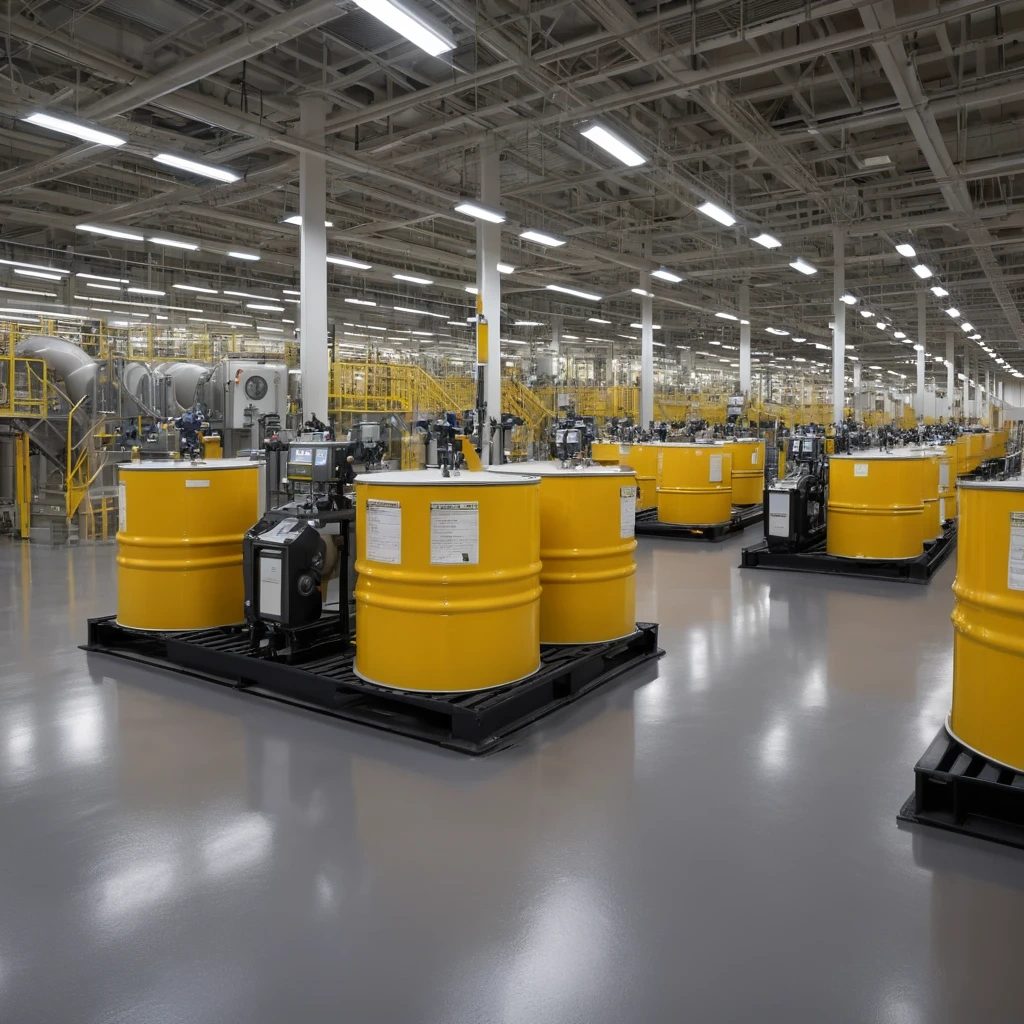
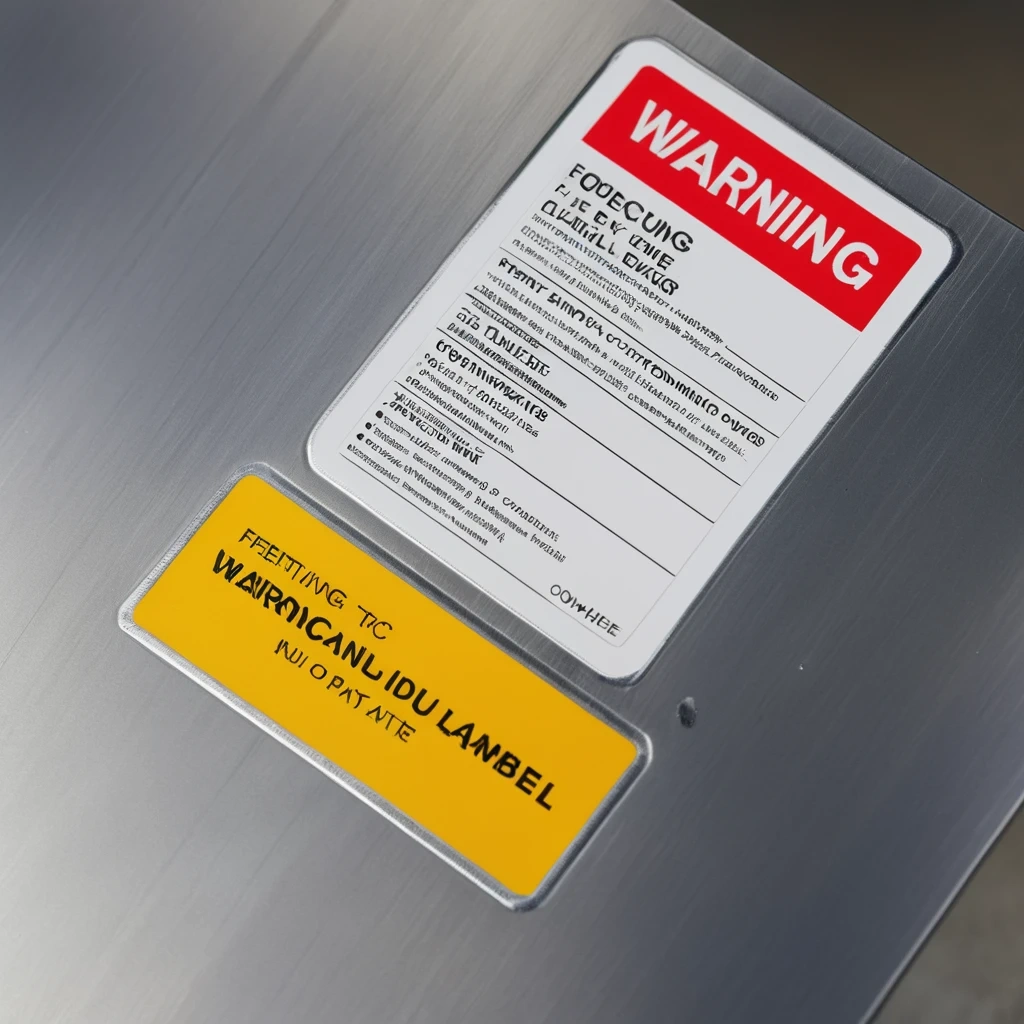
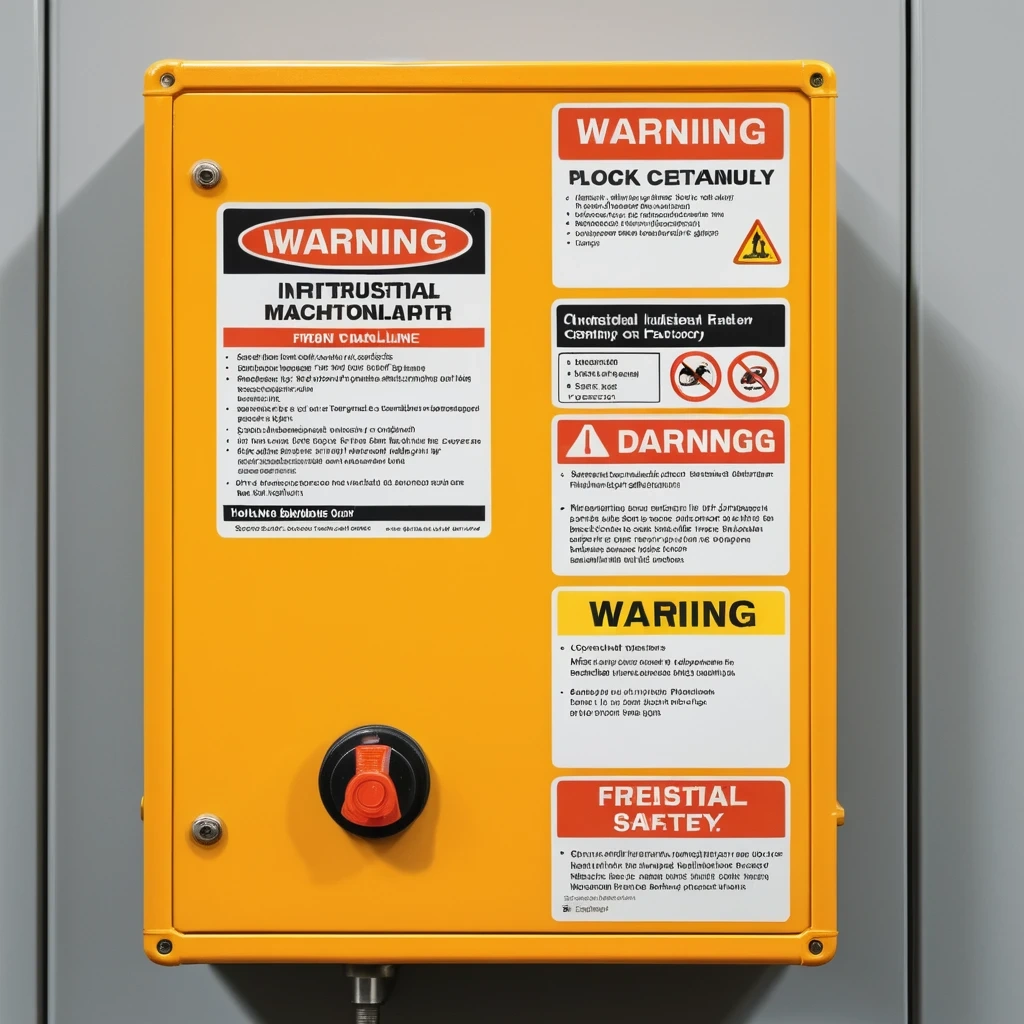
Manufacturing areas handling chemicals, powders, or reactive substances require clear visual warnings to reduce exposure risks. Poor-quality warning labels fade, peel, or become unreadable due to dust, cleaning agents, heat, or frequent handling. When hazard communication fails, worker safety and regulatory compliance are compromised. Anaika offers irritant warning label solutions engineered for manufacturing environments, ensuring consistent visibility, strong adhesion, and durability under industrial operating conditions.
Key Features
High-visibility label materials to clearly indicate irritant hazards
Matte surface reduces glare under bright factory lighting
Strong adhesion on metal, plastic, and painted equipment surfaces
Resistant to dust, light splashes, and routine industrial cleaning
Maintains readability in high-traffic production areas
Suitable for safety signage and equipment labeling
Compatible with screen print, digital, and thermal transfer printing
Technical Specifications
| Parameter | Details |
|---|---|
| Material | Synthetic or coated paper safety label stock |
| Adhesive Type | Permanent industrial-grade acrylic |
| Surface Finish | Matte (high visibility) |
| Substrate Compatibility | Metal, plastic, painted surfaces |
| Chemical Resistance | Mild solvents and cleaning agents |
| Print Compatibility | Screen Print, Digital, Thermal Transfer |
| Thickness | 70–100 microns |
| Shelf Life | 12–18 months |
Applications
Chemical manufacturing units
Pharmaceutical production floors
Paint, coating, and resin plants
FMCG and industrial processing areas
Equipment panels and chemical containers
Worker safety and hazard communication systems
Why Choose Anaika?
Label materials selected specifically for industrial safety visibility
Adhesives tested for long-term bonding in dusty, high-use areas
Custom sizes and layouts to match equipment and panel dimensions
Consistent color and finish for standardized safety communication
Supports low-volume and site-specific safety labeling needs
Technical guidance on material selection based on exposure conditions