How to Improve Packaging Efficiency and Reduce Operational Cost

improved packaging efficiency and savings

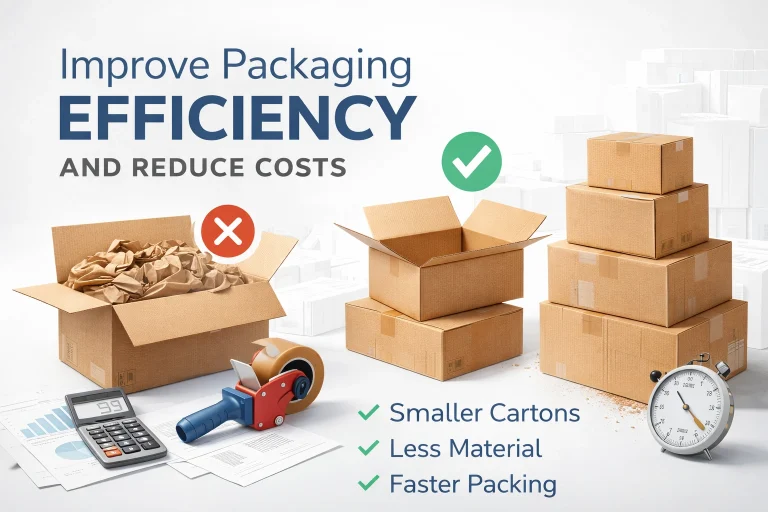
Packaging inefficiency is one of the most overlooked cost drivers in growing businesses.

From oversized cartons and excess material usage to slow packing processes, inefficient packaging increases cost, reduces productivity, and impacts scalability.

In this guide, we break down how to design packaging systems that improve efficiency, reduce waste, and optimize overall operations.

1. Why Packaging Efficiency Matters

Inefficient packaging impacts more than just material cost.

It affects:

  • shipping cost (volumetric weight)
  • warehouse space utilization
  • packing time and labor cost
  • damage rates and returns

Packaging is not just a cost — it is an operational system

2. Common Packaging Inefficiencies

Many businesses unknowingly operate with inefficient packaging:

  • Using one standard box for all products ❌

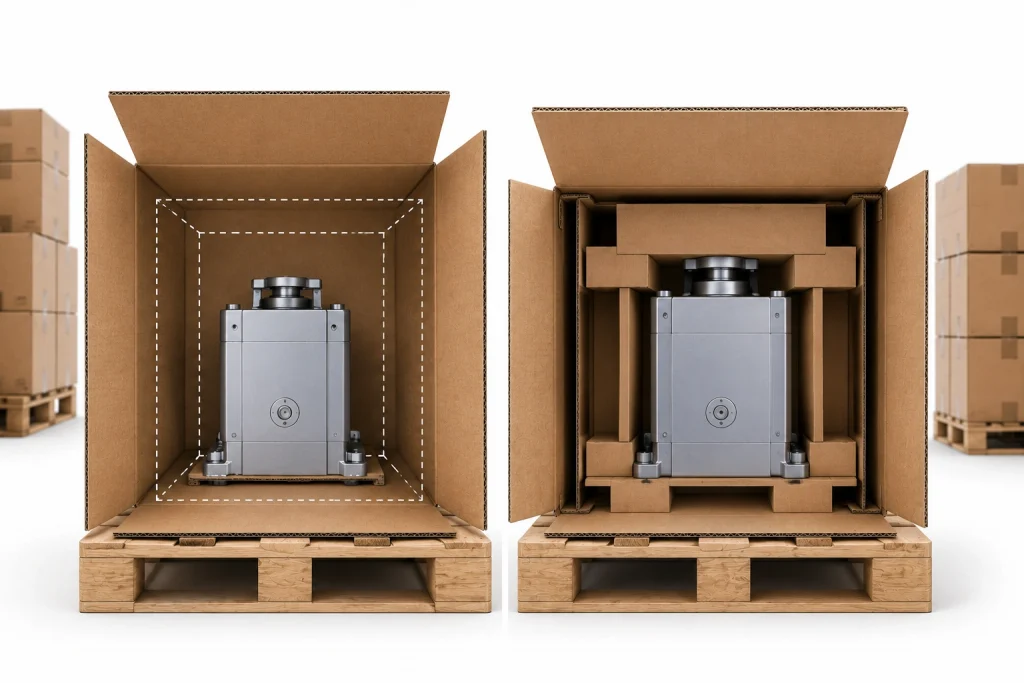
  • Oversized cartons with empty space ❌

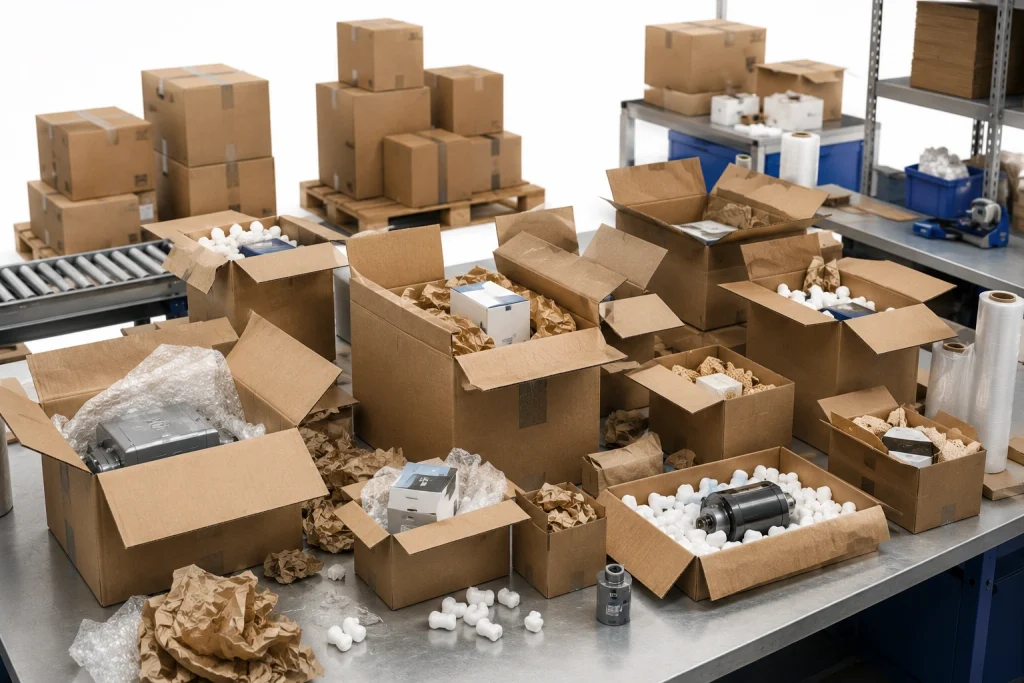
  • Excessive filler materials ❌

  • Complex packing process ❌

  • No standardization across SKUs ❌ 

  These issues increase cost and reduce scalability

3. Practical Packaging Approach

To improve efficiency, packaging should be designed with a system mindset:

🔹Right-Sizing

Cartons should match product dimensions closely

🔹Standardization

Use limited carton sizes across products

🔹Process Simplification

Reduce packing steps and complexity

🔹Space Optimization

Maximize product density in shipping cartons

The goal is to reduce waste and improve speed

4. Recommended Packaging Structures

Based on use-case, here are commonly used structures:

📦Right-Sized Cartons

  • Reduce empty space
  • Lower shipping cost

📦Modular Packaging System

  • Standard box sizes
  • Flexible configurations

📦Minimal Material Usage

  • Avoid excessive fillers
  • Use structure instead of padding

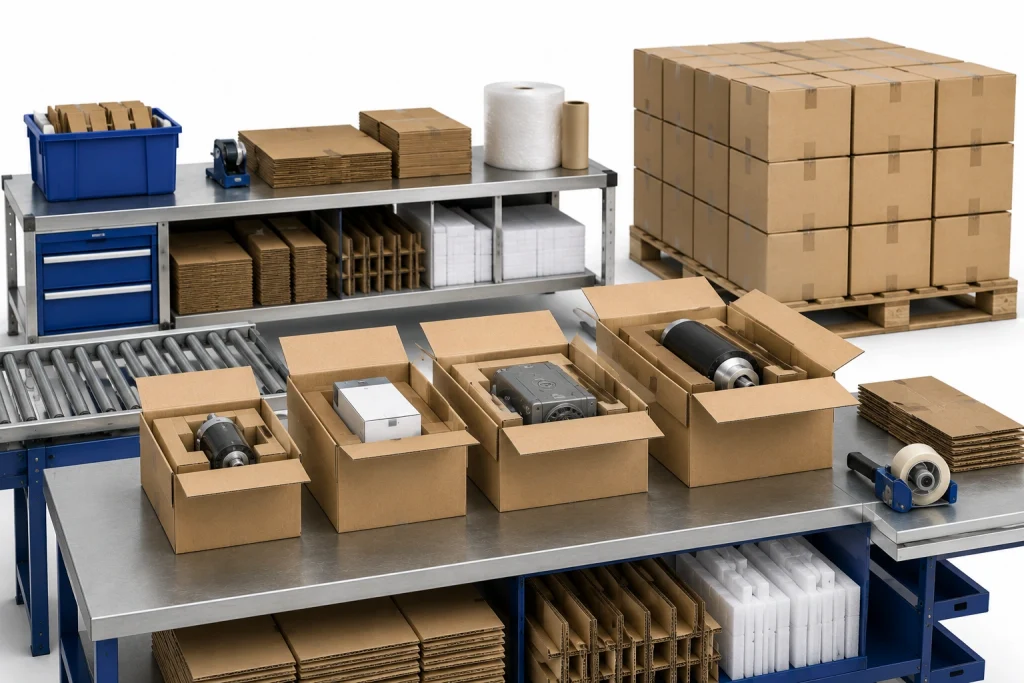
📦Efficient Packing Flow

  • Easy-to-pack designs
  • Faster handling
Packaging should support operations, not slow them down

5. Cost vs Efficiency Trade-off

Improving efficiency may require:

  • initial redesign cost
  • change in packaging structure

But results in:

  • lower logistics cost
  • faster operations
  • better scalability
Efficiency reduces long-term cost significantly
 

6. Final Recommendation

There is no universal packaging solution for efficiency.

The right system depends on:

  • product range (SKUs)
  • order volume
  • shipping method
  • operational setup

A well-designed packaging system improves efficiency, reduces cost, and supports business growth

7. Frequently Asked Questions

What is packaging efficiency?

Answer:

Packaging efficiency refers to how effectively packaging is designed and used to minimize cost, reduce material waste, improve packing speed, and optimize space during storage and shipping.

How can packaging reduce operational costs?

Answer:
Packaging reduces operational costs by:
  • minimizing material usage
  • optimizing carton size
  • improving packing speed
  • Reducing shipping volume and weight
Efficient packaging directly impacts logistics and handling costs. 
 

What are common signs of inefficient packaging?

Answer:
Signs of inefficient packaging include:
  • oversized boxes
  • excessive filler material
  • slow packing process
  • high shipping costs
  • frequent damage or returns
 

How do you optimize packaging for efficiency?

Answer:
To improve packaging efficiency:
  • Use right-sized cartons
  • reduce empty space
  • standardize packaging sizes
  • simplify the packing process
  • design packaging based on product and logistics needs