Auto-Lock Bottom (ALB) Carton
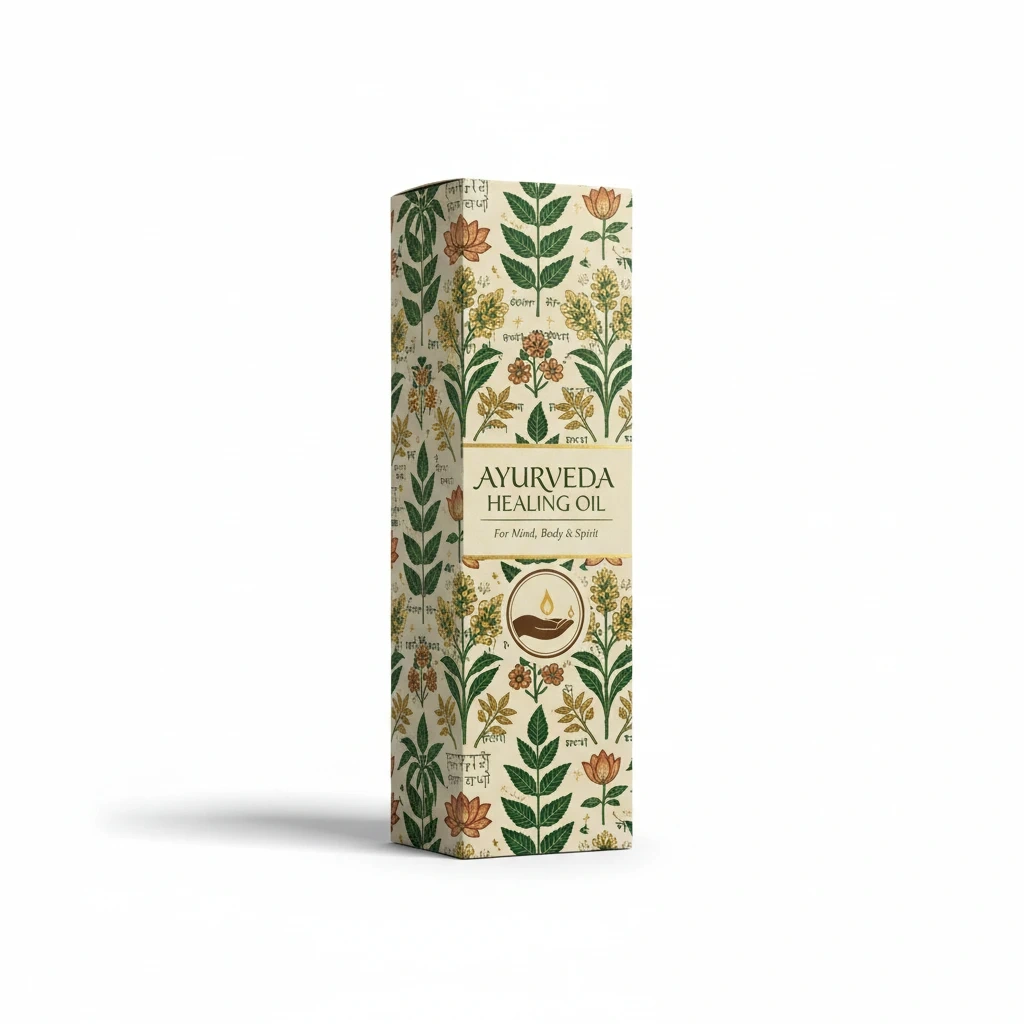
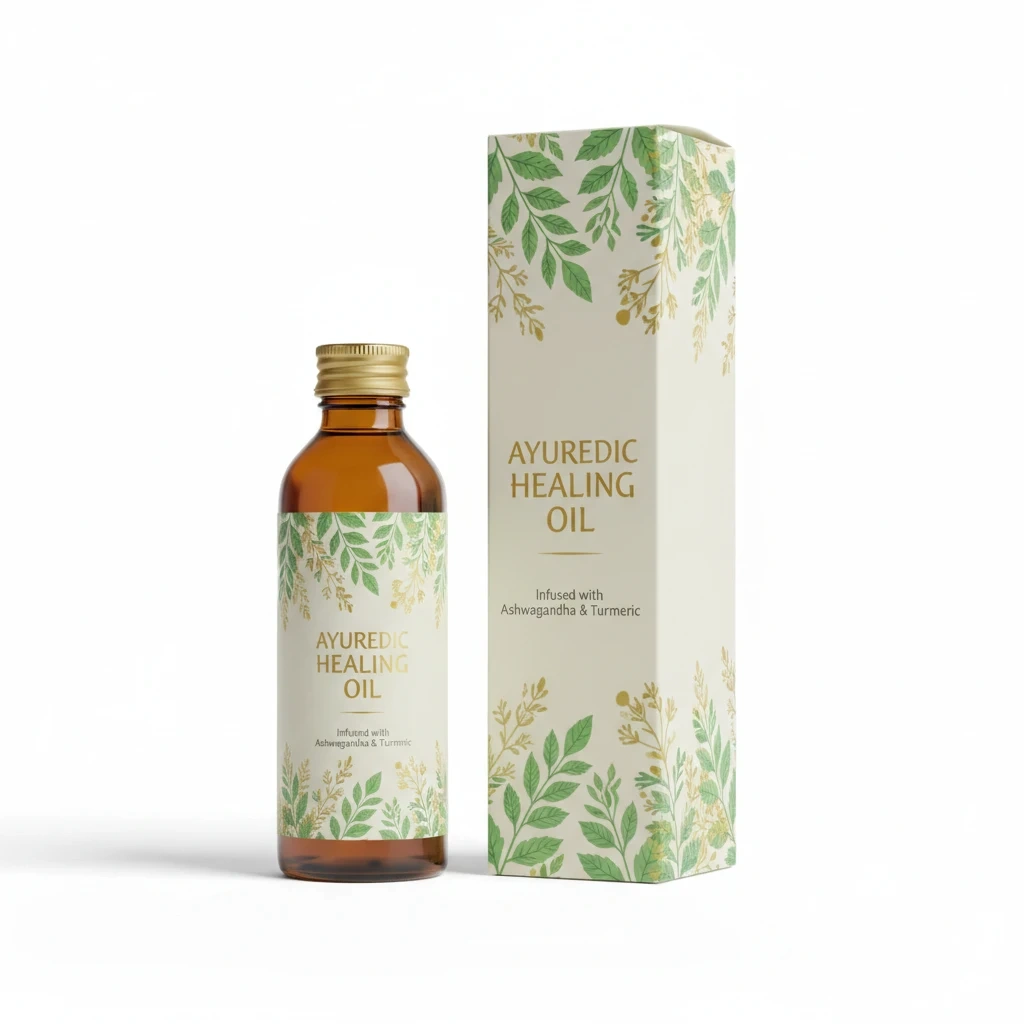
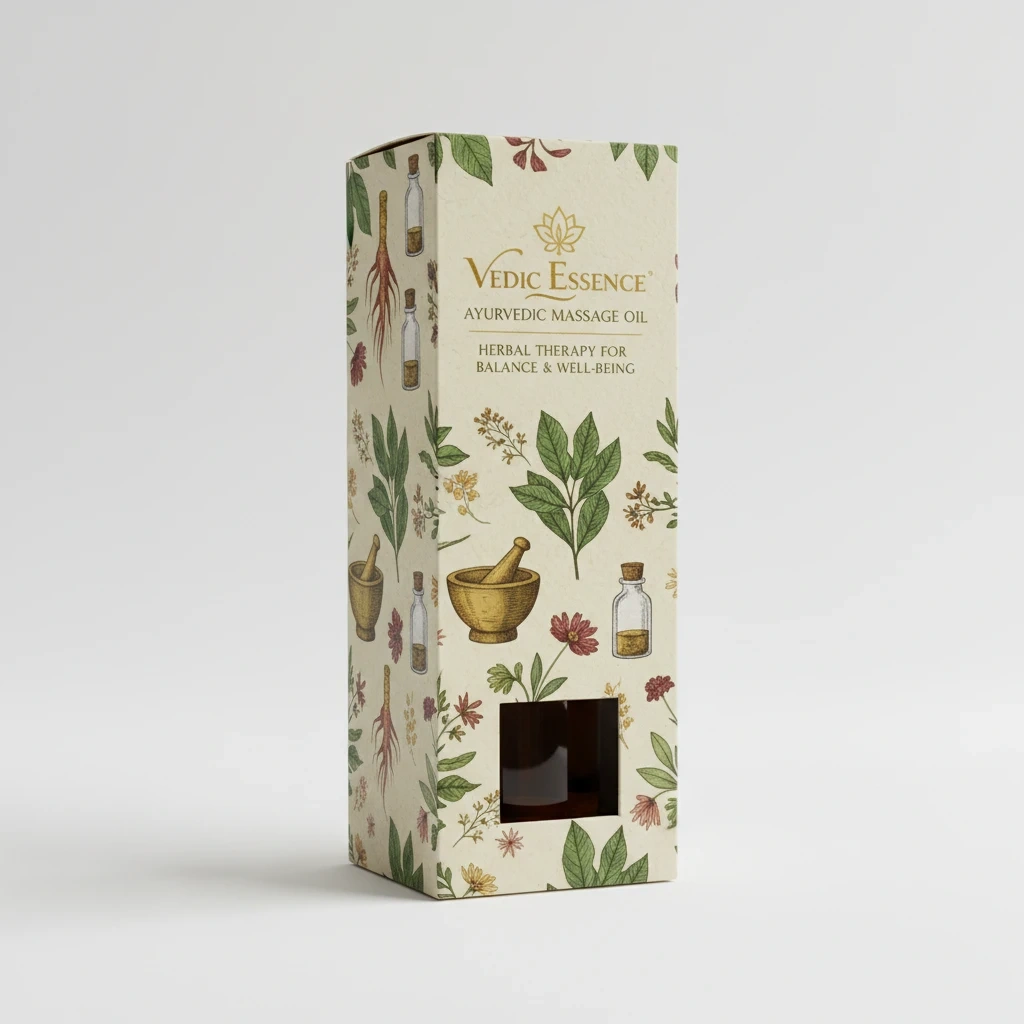
Pre-Glued Crash-Lock Carton for Heavy Products, Glass Bottles & D2C Courier Packaging
The Auto-Lock Bottom (ALB) carton — also known as a crash-lock bottom carton — is a reinforced folding carton structure designed for products where standard tuck cartons are no longer structurally sufficient.
Unlike standard tuck cartons, ALB cartons feature a pre-glued bottom base that automatically locks into place when opened. This creates a stronger load-bearing base with faster assembly and improved structural consistency.
ALB cartons are commonly used for:
- Glass bottles
- Skincare products
- Wellness products
- Perfume packaging
- Ayurvedic products
- Heavy D2C products
- Courier-heavy packaging systems
For brands shipping products pan-India through courier networks, ALB is often not just a premium upgrade — but the structurally correct choice.
At Anaika Enterprises, we recommend ALB only when the product weight, leverage risk, or distribution model genuinely requires it.
See How This Auto-Lock Bottom Carton Actually Folds
For this ALB (Auto-Lock Bottom) structure, we created a printed mockup to evaluate how the crash-lock base folds, locks, and behaves during handling before final production decisions are made.
Small observations during physical assembly often reveal practical things that dimensions alone do not — how stable the base feels, whether carton closure behaves correctly, how the structure stands under product weight, and whether the carton feels commercially practical for actual use.
In the short video below, we have shown the actual carton folding process and base locking mechanism so you can see how an ALB carton behaves in real form rather than only through a technical dieline.
Structural mockup demonstration created for packaging evaluation and carton behavior understanding before production.
What Makes ALB Different?
The key difference in ALB cartons is the pre-glued crash-lock base.
Instead of manually folding and tucking the bottom during packing, the carton automatically locks into place with a single push-open action.
Structural Characteristics
Pre-Glued Bottom Base
The base is manufacturer-glued before delivery, improving consistency and structural reliability.
Faster Assembly
The carton opens instantly without manual bottom folding.
Higher Load Capacity
The interlocked base distributes weight more efficiently compared to standard tuck cartons.
Improved Courier Performance
ALB structures resist bottom flap opening during courier handling and stacking pressure.
Why Brands Use ALB Cartons
ALB cartons are typically selected when products become:
- Heavier
- Taller
- More fragile
- Courier-sensitive
- High-volume
Key Advantages
Stronger Base Structure
The crash-lock geometry creates a rigid load-bearing base suitable for heavier products.
Better Protection for Glass Products
ALB structures reduce base-collapse risk during handling and transit.
Faster Packing Line Speed
Single push-open assembly improves packing efficiency significantly for medium and high-volume production.
Improved Structural Consistency
Factory-glued bases eliminate operator-dependent folding inconsistencies.
Better Performance in D2C Courier Distribution
Especially important for:
- Pan-India shipping
- Multiple handling cycles
- Stacked warehouse conditions
Best Suited For
Skincare & Cosmetic Packaging
- Glass serum bottles
- Moisturiser jars
- Heavy lotion bottles
- Pump bottles
- Bundled skincare kits
Ayurvedic & Wellness Packaging
- Herbal oil bottles
- Syrup bottles
- Supplement jars
- Wellness packaging systems
Perfume & Attar Packaging
- 50ml+ perfume bottles
- Glass fragrance packaging
- Reed diffuser cartons
- Premium attar sets
D2C Courier Packaging
- Courier-heavy distribution
- High-volume shipping
- Products with previous damage complaints
- Premium fragile products
When ALB Becomes Necessary
ALB is usually recommended when one or more of the following conditions exist:
Heavy Product Weight
Products above approximately 250g packed weight often require reinforced base structures.
Tall Container Formats
Tall bottles create leverage stress on the bottom panel during movement and drops.
Glass Containers
Glass products transfer impact force directly to the carton base.
Pan-India Courier Distribution
Repeated courier handling creates compression and drop-cycle stress.
High Stacking Conditions
Warehouse stacking transfers vertical load onto the carton base over time.
Common Packaging Problems ALB Solves
Bottom Flap Opening
Standard tuck bases may open during courier handling under load pressure.
Base Collapse
Heavy products can deform or fail weaker carton bases.
Product Lean & Instability
Tall products create rotational stress and sidewall pressure.
Slow Packing Operations
Manual folding reduces packing efficiency in high-volume production.
Inconsistent Packing Quality
Hand-folded bases vary across operators and production batches.
Typical Structural Guidelines
Final structure recommendation depends on:
- Filled product weight
- Container dimensions
- Height-to-base ratio
- Shipping model
- Stacking conditions
General Weight Guidelines
Under 150g
Standard STI cartons are often sufficient.
150g – 250g
Structure selection depends on product height and distribution model.
250g – 400g
ALB is generally preferred for structural safety.
Above 400g
ALB or reinforced packaging structures are strongly recommended.
Recommended Board & GSM Range
Board selection should match actual structural load — not just visual appearance.
Typical ALB Board Guidelines
200g – 350g Products
300 – 350 GSM SBS board
350g – 600g Products
350 – 400 GSM board, depending on dimensions
Tall or Heavy Glass Formats
High BF board or reinforced structures may be required.
Common Board Options
- SBS (Solid Bleached Sulfate)
- FBB (Folding Box Board)
- High BF Board
Final board specification is confirmed only after structural evaluation.
Why Brands Work With Anaika Enterprises
Most packaging vendors recommend structures based only on appearance or standard sizing.
At Anaika Enterprises, we evaluate packaging structurally before production.
Our Approach Includes:
- Load-based GSM recommendation
- Structure evaluation based on distribution model
- Packaging development support
- Controlled die-line coordination
- Artwork alignment support
- Structural sampling before production
- Production execution coordination
We primarily work with:
- Skincare brands
- Wellness brands
- Attar and fragrance brands
- FMCG businesses
- D2C product companies
Requiring packaging systems that balance:
- Protection
- Presentation
- Logistics performance
- Operational efficiency
- Packaging cost control
Related Packaging Solutions
Frequently Asked Questions
What is an Auto-Lock Bottom (ALB) carton?
Is ALB stronger than STI cartons?
Yes. ALB provides a significantly stronger base structure compared to standard tuck cartons because the weight is distributed across interlocked glued panels rather than relying on manual flap locking.
Is ALB suitable for courier shipping?
Yes. ALB cartons are specifically well-suited for courier-heavy distribution models, especially for fragile or heavier products.
Can ALB hold glass bottles?
Yes. ALB is commonly used for glass skincare bottles, perfume bottles, Ayurvedic oil bottles, and wellness products requiring stronger bottom support.
What GSM is typically used for ALB cartons?
Do you provide sampling before production?
Can I upgrade my current STI carton to ALB?
Not Sure If ALB Is Right for Your Product?
Share the following details with us:
- Product filled weight
- Container dimensions
- Container material (glass / PET / HDPE)
- Shipping model
- Stacking conditions
- Current packaging issues (if any)
We will help evaluate the correct packaging structure before production.