Premium Mono Cartons with Embossing, UV & Foiling
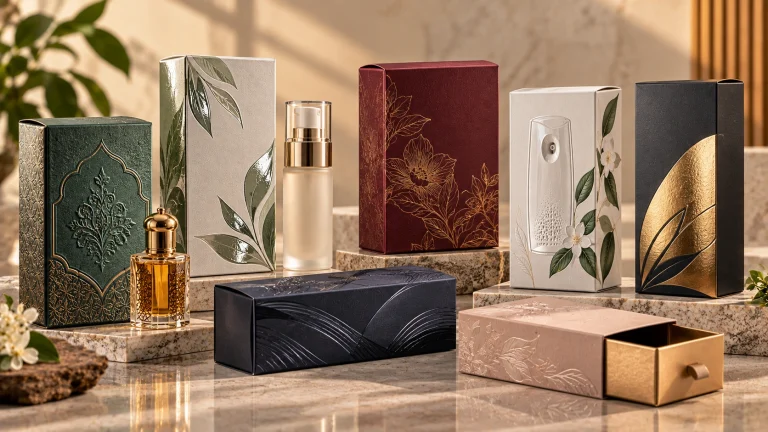
Custom printed mono cartons developed with premium finishing options such as embossing, Spot UV, UV with embossing, foiling, and specialty effects for products that need stronger shelf and unboxing presentation.
When a Plain Mono Carton Isn't Enough
A mono carton can protect and present a product, but packaging also becomes part of the customer’s experience when a product enters D2C or premium retail channels.
For products such as:
- Air fresheners
- Attar and fragrance products
- Perfumes
- Skincare
- Personal care
- Premium consumer products
- Gifting products
The carton may need to do more than carry product information.
Surface treatment and finishing can be used to highlight specific parts of the design and create a more tactile and memorable package.
Want to get your existing product packaging reviewed?
Air Freshener Packaging Requirement Usecase
From B2B Supply to D2C Packaging
A recent air freshener packaging brand involved an established product and brand that had traditionally supplied through B2B channels.
As the brand expanded toward D2C, packaging became a more important part of the customer-facing product.
The requirement was approximately 6,000 mono cartons, with:
- 350 GSM white-back board
- 4-colour printing
- UV printing
- Embossing / tactile effect
- Packaging designed around the existing air freshener product
- Commercial pricing suitable for the planned quantity
The interesting part wasn’t simply producing a printed carton.
The requirement was to make the air freshener instrument itself feel more distinctive through the packaging.
That is where finishing techniques become relevant.
What Is Embossing on a Mono Carton?
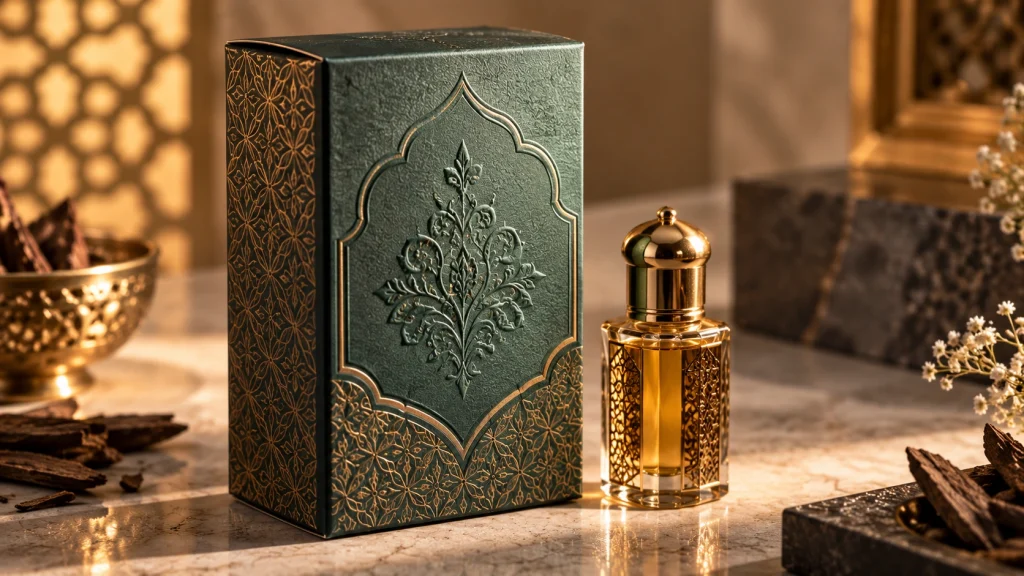
Embossing raises selected parts of the carton surface, creating a physical 3D effect that can be seen and felt.
For example, a brand can emboss:
- Logo
- Product name
- Instrument outline
- Decorative pattern
- Key graphic element
Why use embossing?
Because the customer doesn’t just see the design.
They can feel it.
For premium products, that tactile interaction can make the packaging more distinctive.
What Is Debossing?
Debossing is essentially the opposite of embossing.
Instead of raising the artwork, the selected area is pressed into the board.
It can be used for:
- Logos
- Brand patterns
- Minimal premium designs
- Decorative borders
- Typography
- Subtle texture
Debossing can create a more understated premium effect compared with a heavily raised emboss.
What Is Spot UV?
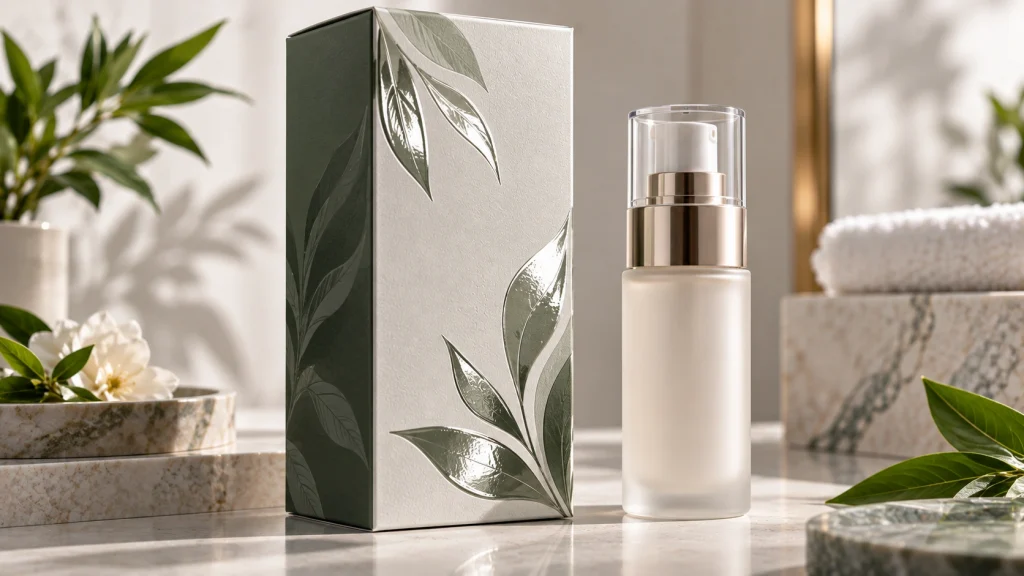
Spot UV applies a glossy UV coating only to selected areas of the printed carton.
Instead of making the entire carton glossy, you can selectively highlight:
Logo → Product name → Graphics → Patterns → Specific design elements
This creates contrast between the matte/standard printed surface and the glossy UV area.
That contrast is particularly useful when the objective is to make certain parts of the artwork stand out.
What Is UV + Embossing?
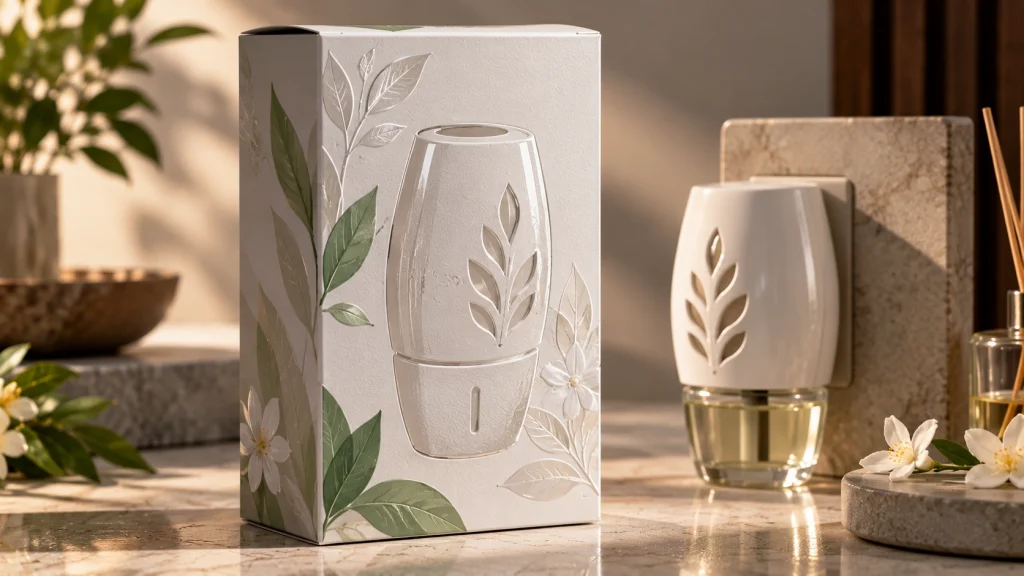
This is where things get particularly interesting for premium packaging.
UV + Embossing combines a raised surface with a glossy UV effect.
For example:
Brand logo → embossed → Spot UV applied
The customer can see the glossy highlight and feel the raised surface.
This can create a stronger tactile effect than either technique alone.
For an air freshener package, for example, the instrument graphic or brand element could become the focal point of the carton.
What Is Foiling?
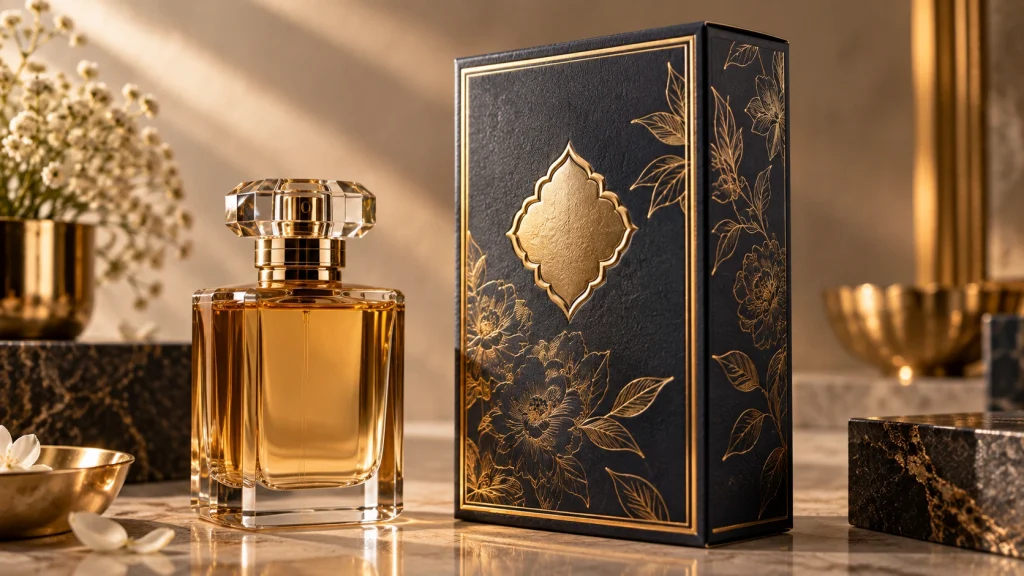
Foiling uses a metallic or specialty foil transferred onto selected areas of the carton.
Common applications include:
- Gold foil
- Silver foil
- Metallic colours
- Holographic effects
- Specialty decorative foils
Foiling is commonly used to highlight:
Brand name + Logo + Product name + Premium design elements
It is particularly common in:
- Perfume packaging
- Attar packaging
- Premium cosmetics
- Jewellery packaging
- Festive gifting
- Luxury consumer products
Embossing vs Debossing vs UV vs Foiling
Rather than making this a huge technical section, I’d use a simple visual explanation:
Embossing
Raises the surface
Best when you want the customer to feel the design.
Debossing
Pushes the surface inward
Useful for a subtle, tactile premium effect.
Spot UV
Adds selective gloss
Useful for creating visual contrast and highlighting artwork.
Foiling
Adds a metallic/specialty finish
Useful when you want premium visual emphasis.
UV + Embossing
Combines gloss + raised texture
Useful when you want a design element to become particularly visually and physically noticeable.
Which Finishing Should You Choose?
The most expensive finishing combination isn’t automatically the right one.
The decision depends on:
- Product positioning
- Target customer
- Packaging quantity
- Artwork
- Board/material
- Desired tactile effect
- Retail/D2C presentation
- Production economics
For example:
Air Freshener
Embossing + Spot UV can highlight the instrument/product graphic and create a tactile interaction.
Attar
Foiling + embossing can be used to create a more premium fragrance presentation.
Perfume
Foiling, embossing, specialty papers and Spot UV can be combined depending on the brand positioning.
Skincare
Selective UV or subtle embossing can highlight the brand identity without making the packaging overly decorative.
Premium Effects Don't Replace Good Packaging Development
A carton can have beautiful foiling and embossing and still be the wrong package.
The packaging still needs to get the fundamentals right:
Product → Dimensions → Structure → Material → Fitment → Printing → Finishing → Sample → Production
Finishing comes after the packaging requirement is understood.
That is why this isn’t simply about finding a printer who can apply UV or embossing.
It is about developing the carton around the product and then selecting the appropriate finishing.
White-Back Mono Cartons
For applications requiring a clean, premium printed appearance, white-back paperboard can be considered depending on the artwork, printing requirements and intended presentation.
For the air freshener enquiry, the requirement was:
350 GSM white-back board + 4-colour printing + UV/embossing effects.
The final material and finishing combination should always be evaluated against the actual product, quantity and production requirements.
Who Are These Mono Cartons For?
This page can naturally target several commercial applications:
Air Freshener Packaging
Cartons for car, home and personal air freshener products where the packaging also contributes to product presentation.
Attar Packaging
Premium mono cartons with foiling, embossing and other effects for fragrance products.
Perfume Packaging
Printed cartons with premium finishing and internal fitment.
Skincare Packaging
Branded cartons where selective finishing can highlight the identity of the product.
Personal Care Packaging
Premium retail and D2C products requiring more distinctive packaging.
Premium Consumer Products
Products where packaging plays an important role in shelf presentation and customer experience.
Why Brands Use Special Effects on Packaging
The objective isn’t simply:
“Make the box look expensive.”
It can be about creating a recognisable physical identity for the product.
A customer may forget the exact packaging specifications.
But they can remember:
the texture → the gloss → the metallic detail → the raised logo → the way the package felt.
For D2C brands, where the customer interacts directly with the product packaging, these details can become part of the overall brand experience
Packaging Development for D2C Expansion
I’d also include this because it makes the page much more commercially relevant than a finishing glossary.
When an established B2B product moves toward D2C, packaging decisions can change.
The brand may now need to consider:
- How the product looks when delivered directly to the customer
- Shelf and website photography
- Unboxing experience
- Product differentiation
- Premium perception
- Packaging cost
- Production quantity
- Printing and finishing
- Product fitment
The air freshener enquiry is a good example of how an existing product can require a different packaging approach when the sales channel changes.
Launching a new product?
Related Packaging Solutions
Frequently Asked Questions
Can you make mono cartons with embossing?
Yes. Mono cartons can be developed with embossing to create raised logos, product names, graphics, or decorative elements on the carton surface. The embossing can be planned around the artwork and the selected board.
What is the difference between embossing and debossing on a mono carton?
Embossing raises a selected design element above the carton surface, while debossing presses the design into the board. Both can be used to create a tactile premium effect.
Can Spot UV be combined with embossing?
Yes. Spot UV and embossing can be combined so that a selected design element has both a raised tactile surface and a glossy finish. This can be useful for highlighting logos, product graphics, or important visual elements.
What is Spot UV on a mono carton?
Spot UV is a selective glossy coating applied only to specific areas of a printed carton. It creates contrast between glossy highlighted areas and the surrounding printed surface.
Can you make mono cartons with foiling?
Yes. Mono cartons can incorporate gold, silver, and other specialty foil effects depending on the artwork, board, and production process. Foiling is commonly used to highlight logos, product names, and decorative elements.
Which is better for premium packaging: embossing, UV, or foiling?
These finishes serve different purposes. Embossing adds tactile depth, Spot UV adds selective gloss, and foiling adds metallic or specialty visual emphasis. The appropriate option depends on the product, artwork, positioning, and production requirements.
Can 350 GSM board be used for premium mono cartons?
Yes. 350 GSM paperboard can be used for many premium mono carton applications, subject to the carton structure, product size, weight, printing requirements, and finishing process. The appropriate board should be evaluated for the specific application.
Can you make printed white-back mono cartons?
Yes. Printed white-back mono cartons can be developed with suitable board, printing, structure, and finishing specifications depending on the product and intended presentation.
Can mono cartons be made for air freshener products?
Yes. Air freshener products can be packaged in custom mono cartons developed around the product dimensions, fitment, structure, quantity, and branding requirements. Embossing, Spot UV, and other finishing options can also be considered.
Can I get a sample before placing a larger order?
Where required, a physical sample can be developed to evaluate the carton structure, dimensions, product fitment, and overall presentation before proceeding with production.
What quantity can I order for custom premium mono cartons?
The practical MOQ depends on the carton structure, board, printing process, finishing requirements, and production setup. Low and medium quantities can be evaluated depending on the application.
Can you help if I don’t know which finishing to choose?
Yes. Share the product, artwork or reference packaging, quantity, and desired presentation. We can help evaluate whether embossing, Spot UV, UV + embossing, foiling, or a simpler finish is appropriate for the application.
Does adding more finishing always make a mono carton more premium?
Not necessarily. The right finish depends on the brand, product, artwork, and target customer. Sometimes a single well-executed effect creates stronger packaging than combining several finishes.